Across North America and Europe, turbocharged engines have become the default for everything from compact passenger cars and half-ton pickups to heavy-duty diesel trucks. Turbocharging delivers more power from smaller displacement, better fuel economy, and lower emissions than naturally aspirated alternatives—but most drivers only understand half the system. They know the turbo compresses air to pack more oxygen into the cylinders. What far fewer understand is the charge air cooler (CAC), also called an intercooler, and why cooling that compressed air is just as critical to performance, reliability, and efficiency as the turbo itself.
Without effective charge air cooling, even a high-performance turbocharger cannot deliver its rated power, will run hotter than designed, and will suffer accelerated wear. For fleet operators, pickup owners towing heavy loads, and daily drivers in hot climates, degraded charge air cooling is a silent drain on power, fuel economy, and engine life. This guide breaks down exactly what turbocharged air cooling does, how it works, why it matters, and how to optimize it for real-world driving conditions.
Why Turbocharged Air Needs Cooling in the First Place
To understand the charge air cooler’s role, you first have to understand what happens when air passes through a turbocharger. The turbo’s compressor wheel spins at 100,000–200,000 RPM, squeezing intake air to 1.3–2.5 bar of boost pressure (and much higher for performance applications). The laws of thermodynamics are non-negotiable: compressing a gas raises its temperature.
On a typical stock diesel or gasoline turbo system, air exits the compressor at 120–160°C under full load. On hot summer days with heavy towing or sustained highway climbing, that figure can climb to 180°C or more. This hot compressed air creates three core problems that the charge air cooler exists to solve:
- Reduced air density: Hot air is less dense. Even though the turbo has pressurized the air, the high temperature means fewer oxygen molecules per cubic centimeter. Less oxygen means less fuel can be burned efficiently, robbing the engine of power. In extreme cases, hot intake air can reduce effective boost by 15–25% compared to what the same pressure would deliver at ambient temperature.
- Increased knock and detonation risk: Higher intake temperatures raise combustion chamber temperatures dramatically. For gasoline engines, this drastically increases the risk of engine knock (detonation), forcing the ECU to retard ignition timing to protect the engine. Retarded timing cuts power, increases fuel consumption, and can still lead to engine damage if conditions are severe enough. For diesel engines, elevated combustion temperatures spike NOₓ emissions and can cause excessive cylinder pressure.
- Excessive engine thermal load: Hot intake air adds heat to an already hot engine block, cylinder heads, and turbocharger assembly. Over time, this accelerates wear on piston rings, valve seats, and turbo bearings, and increases the likelihood of head gasket failures and overheating events.
In short: a turbo without adequate charge cooling is just a hot air pump that underperforms and wears out early. The charge air cooler fixes all three issues by dropping intake air temperature before it enters the intake manifold.
Core Functions and Real-World Benefits of Charge Air Cooling
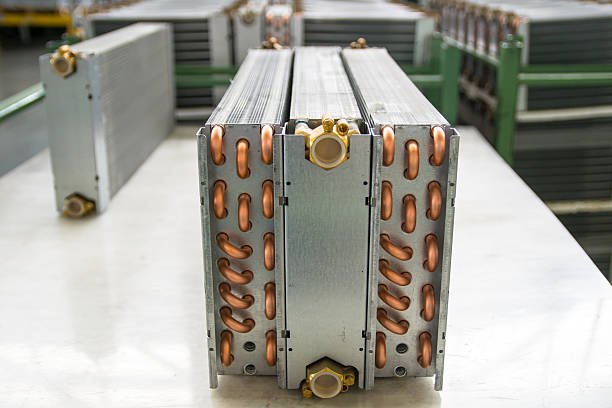
A charge air cooler is a specialized heat exchanger that transfers heat from hot compressed turbo air to a cooler medium—either ambient air or engine coolant. Its sole purpose is to reduce intake air temperature while preserving boost pressure, delivering denser, cooler, more oxygen-rich air to the cylinders.
The practical benefits extend far beyond raw horsepower:
1. Increased Power and Torque Output
This is the most well-documented effect. By cooling charge air from 150°C down to 40–60°C, a properly sized CAC increases air density by 30–40% compared to uncooled boost. This allows more fuel to be injected and burned completely, delivering 15–25% more horsepower and torque than an identical turbo engine without intercooling.
For work trucks towing heavy trailers, or performance cars looking for maximum output, charge air cooling is the difference between usable, consistent power and disappointing, heat-soaked performance that falls off on long climbs.
2. Improved Fuel Efficiency
Cooler, denser air allows for more complete combustion and a more optimal air-fuel ratio. The engine does not have to work as hard to produce the same power, and the ECU can run more aggressive ignition timing (for gasoline) or injection timing (for diesel) without knock risk.
Real-world fleet testing shows that a properly functioning charge air cooler improves fuel economy by 3–8% compared to a fouled or undersized unit. For a long-haul diesel truck running 200,000 km per year, that translates to $2,000–$4,000 in annual fuel savings. For light-duty pickup trucks used for regular towing, the improvement is typically 5–7%.
3. Reduced Engine Wear and Longer Service Life
Lower intake temperatures reduce peak combustion temperatures and overall engine thermal load. This cuts stress on pistons, rings, valves, and the turbocharger itself. It also slows oil degradation, extending oil change intervals and reducing long-term component wear.
Fleet maintenance data consistently shows that engines with well-maintained charge air cooling systems have 20–30% fewer turbo failures and head gasket issues than engines with neglected CAC systems.
4. Emissions Compliance
Cooler combustion reduces the formation of nitrogen oxides (NOₓ), particulate matter, and unburned hydrocarbons. For modern diesel trucks required to meet EPA and Euro emissions standards, charge air cooling is not a performance upgrade—it is a required emissions control component. Degraded CAC performance alone can cause a vehicle to fail mandatory emissions testing.
The Two Main Charge Air Cooler Designs
Not all charge air coolers work the same way. There are two primary designs, each with unique advantages and ideal use cases.
Air-to-Air Charge Air Coolers
This is the most common design, used on nearly all heavy-duty diesel trucks, most pickup trucks, and many performance cars. Hot turbo air flows through a network of aluminum tubes and fins, while ambient ram air from the vehicle’s forward motion passes across the fins, carrying heat away.
- Advantages: Simple, reliable, low upfront cost, excellent cooling capacity under sustained highway load, no additional plumbing to the engine cooling system.
- Limitations: Larger physical footprint, slower thermal response, cooling performance drops at low vehicle speeds (such as stop-and-go traffic) where ram air is limited.
- Best for: Long-haul trucks, towing vehicles, highway-focused driving, and applications where maximum sustained cooling is needed.
Liquid-to-Air Charge Air Coolers
Also called water-to-air intercoolers, these units use engine coolant (or a dedicated low-temperature coolant circuit) to absorb heat from the compressed air. The heated coolant then flows to a separate auxiliary radiator to reject heat.
- Advantages: Much more compact, easy to package in tight engine bays, faster thermal response, consistent cooling regardless of vehicle speed, and less susceptible to heat soak during idle or stop-and-go driving.
- Limitations: More complex plumbing, higher upfront cost, adds load to the engine cooling system, and requires additional pumps and heat exchangers.
- Best for: Small-displacement turbo passenger cars, performance vehicles, hybrid powertrains, and applications where engine bay space is limited.
Many modern European and North American compact turbo gasoline engines now use liquid-to-air charge cooling as standard, as it allows tighter packaging and more consistent intake temperatures for precise emissions control.
Why Charge Air Coolers Lose Performance Over Time
Like any heat exchanger, charge air coolers lose effectiveness gradually. Most drivers do not notice the decline until power is noticeably down or fuel economy has worsened significantly. The most common causes of reduced CAC performance include:
External Fouling and Airflow Blockage
Dust, road grime, bug splatter, pollen, and road salt accumulate on the front face of the CAC core over time. Since most charge air coolers are mounted directly in front of the main radiator, they catch all incoming debris first.
A 30% blocked CAC core reduces airflow through the heat exchanger by 25–35%, raising intake air temperatures by 10–15°C under full load. This translates directly to a 5–10% loss of power and a 3–6% drop in fuel economy. For diesel trucks, it can also cause a noticeable increase in exhaust gas temperature (EGT) and accelerated turbo wear.
Internal Oil and Carbon Buildup
Over time, crankcase ventilation gases (PCV) and minor turbo seal blow-by carry oil vapor into the charge air system. This oil coats the inner walls of the CAC tubes and fins, forming an insulating layer that reduces heat transfer efficiency. On high-mileage diesel engines, this oily film can trap soot and carbon particles, worsening the problem.
Internal fouling is hidden from view and often goes unnoticed for years. A heavily fouled CAC can lose 20–30% of its cooling capacity, with symptoms identical to external blockage.
Boost Leaks and Seal Degradation
The rubber boots and clamps that connect the charge air cooler to the turbo and intake manifold degrade with heat and age, developing cracks and loose connections. Even a small boost leak reduces the amount of pressurized air reaching the engine, hurting power and efficiency.
Boost leaks also force the turbo to work harder to maintain target boost pressure, increasing turbo speed and temperature, and accelerating bearing wear.
Core Damage
Rock chips, road salt corrosion, and vibration fatigue can cause small cracks or punctures in the CAC core. These leaks allow boost pressure to escape and can let unfiltered dirt air into the intake system, causing abrasive engine wear.
Actionable Steps to Optimize Charge Air Cooling
Maintaining and optimizing your charge air cooler delivers tangible performance and reliability gains without major expense. Follow these field-proven recommendations:
1. Regular External Cleaning
Every 12 months or 20,000–30,000 km, clean the front face of the charge air cooler with low-pressure water or compressed air. Always blow or rinse from the engine side forward to avoid pushing debris deeper into the fins. For heavy bug buildup or road grime, use a mild degreaser and rinse thoroughly.
This simple maintenance step alone can restore 90% of lost cooling capacity on externally fouled units.
2. Inspect for Boost Leaks
At every major service interval, inspect all CAC boots, hoses, and clamps for cracks, soft spots, or looseness. For a more thorough evaluation, perform a boost leak test with compressed air and soapy water to identify even small, hidden leaks.
Replacing worn boots and tightening clamps is a low-cost fix that can restore lost power and reduce unnecessary turbo strain.
3. Upgrade Strategically for Severe Duty
If you regularly tow heavy loads, drive in consistently hot climates, or have modified your engine for more power, a stock charge air cooler may not be sufficient. Upgrading to a high-performance, properly sized CAC delivers:
- Lower peak intake air temperatures by 10–20°C under sustained load
- Reduced heat soak during towing and mountain climbing
- More consistent power output on hot days
- Lower EGTs and reduced turbo wear
When upgrading, avoid the common mistake of buying the largest core possible. An oversized CAC increases the total volume of the intake system, worsening turbo lag and reducing low-end throttle response. Choose a unit sized for your specific power level and use case.
4. Know When to Replace
Charge air coolers do not last forever. Replace your CAC if you notice:
- Persistently high intake air temperatures that do not improve after cleaning
- Visible cracks, severely bent fins, or extensive corrosion on the core
- Oil leaking from the end tanks or seam welds
- Boost leaks that cannot be fixed with new boots or clamps
- Reduced power and fuel economy that does not respond to routine maintenance
Common Charge Air Cooler Myths Debunked
- Myth: “Intercoolers are only for modified or race cars.”Reality: Nearly all modern turbocharged engines come with charge air cooling from the factory. It is not a performance accessory—it is a critical component required for the engine to meet its rated power, emissions, and durability specifications.
- Myth: “Bigger is always better.”Reality: Excessively large charge air coolers increase intake volume, causing slower boost response and worse low-end torque. The best CAC is sized correctly for your engine’s power output and intended use, not the largest one that fits.
- Myth: “If it’s not leaking, it’s fine.”Reality: Most charge air cooler performance loss comes from fouling, not leaks. A unit can be completely leak-free and still lose 30% of its cooling capacity due to internal and external buildup.
Conclusion
Charge air cooling is the unsung hero of the modern turbocharged engine. What many drivers dismiss as a simple radiator for boost air is actually the component that makes turbocharging work efficiently, reliably, and cleanly. By cooling hot compressed air before it enters the engine, charge air coolers increase power, improve fuel economy, reduce emissions, and extend engine life—all with no moving parts and minimal maintenance.
For daily drivers, fleet operators, and work truck owners alike, taking care of your charge air cooler is one of the highest-return maintenance investments you can make. A clean, properly functioning CAC ensures your engine delivers its full rated performance even on the hottest days, under the heaviest loads, and over the longest service life.
If you’ve noticed reduced power, worse fuel economy, or higher operating temperatures from your turbo engine, starting with a thorough charge air cooler inspection and cleaning is the simplest, most cost-effective first step to getting your performance back.