Standard heat exchangers are designed for conventional operating envelopes. When pressure climbs above 100 bar and temperature exceeds 400°C, the rules change. Materials creep. Thermal expansion becomes a design driver, not an afterthought. Corrosion accelerates. And a failure can be catastrophic.
Chemical and power plants face these conditions daily. This guide explains how to select a heat exchanger that survives — and performs — in high-pressure, high-temperature service.
What counts as high pressure and high temperature
There is no universal definition, but industry practice gives useful thresholds:
High pressure: above 40–50 bar. Above 100 bar is severe.
High temperature: above 300–400°C for carbon steel. Above 500°C requires alloy steels or nickel alloys.
Combined severe service: 100+ bar and 400+°C — typical of hydrogenation, ammonia synthesis, supercritical steam, and advanced power cycles.
If your duty falls into these ranges, standard catalog units are out. You need custom engineering.
Step 1: Confirm the design envelope
Before choosing a heat exchanger type, lock down the real operating conditions:
Design pressure and design temperature (separate from operating)
Startup, shutdown, and upset conditions
Thermal cycling frequency and rate
Fluid composition, including trace corrosives
Flow rates and allowable pressure drop
Required duty and approach temperature
Cleaning method and frequency
Applicable codes: ASME BPVC Section VIII Div. 1 or Div. 2, PED 2014/68/EU, EN 13445, TEMA
The design case is often not normal operation. A cold startup or emergency depressurization can govern wall thickness and material selection.
Step 2: Select the right heat exchanger type
Not all heat exchangers handle high pressure and temperature equally. Here is how the main types compare.
| Type | Max pressure | Max temperature | Best for |
|---|---|---|---|
| Shell-and-tube (fixed tubesheet) | 100–150 bar | 500°C | Clean fluids, moderate P/T |
| Shell-and-tube (U-tube) | 150–250 bar | 600°C | Thermal expansion, high P/T |
| Shell-and-tube (floating head) | 150–250 bar | 600°C | Thermal expansion, cleanable |
| Double-pipe | 300+ bar | 600°C | Small duties, high pressure |
| Bayonet | 200+ bar | 700°C | High temperature, thermal expansion |
| Welded plate | 100 bar | 400°C | Compact, gasket-free |
| Printed circuit (PCHE) | 1000+ bar | 900°C | Extreme P/T, compact, clean fluids |
| Plate-and-frame | 25 bar | 200°C | Not suitable for severe service |
Shell-and-tube remains the workhorse for chemical and power plants. For high pressure, use thick-walled tubes, small tube diameters, and a U-tube or floating head design to handle thermal expansion. Fixed tubesheet units are limited by differential expansion between shell and tubes.
Double-pipe exchangers are simple and robust for high pressure, but only practical for small duties. They are common in laboratory and pilot plants.
Bayonet exchangers allow free thermal expansion and are used in high-temperature services like steam superheating and syngas cooling.
Printed circuit heat exchangers (PCHE) are diffusion-bonded, compact, and handle extreme pressures and temperatures. They are increasingly used in supercritical CO₂ power cycles, hydrogen production, and offshore applications. Limitation: clean fluids only.
Welded plate exchangers eliminate gaskets and handle higher pressure than plate-and-frame, but temperature is limited by the welding and material.
Step 3: Choose materials for the actual conditions
Material selection drives both safety and cost. Key considerations:
Creep: Above 400°C for carbon steel and 500°C for low-alloy steel, creep becomes a design limit. ASME Section VIII Div. 1 provides allowable stress values that account for creep.
Corrosion: High temperature accelerates oxidation, sulfidation, and hydrogen attack. Use Nelson curves for hydrogen service.
Thermal expansion: Differential expansion between shell and tubes must be accommodated by U-tube, floating head, or expansion joint.
Graphitization: Carbon steel and carbon-moly steels can graphitize above 450°C in certain environments.
Common materials for high P/T service:
Carbon steel: up to 400°C, low cost
1.25Cr-0.5Mo, 2.25Cr-1Mo: up to 550°C, hydrogen service
304/316 stainless: up to 600°C, corrosive fluids
321/347 stainless: stabilized for high temperature
Alloy 800H/800HT: up to 800°C, creep-resistant
Inconel 625, 718: up to 900°C, extreme corrosion and temperature
Hastelloy C276: up to 700°C, aggressive chemicals
For power plant feedwater heaters, typical materials are carbon steel shell and stainless or copper-nickel tubes. For supercritical steam, use advanced austenitic stainless or nickel alloys.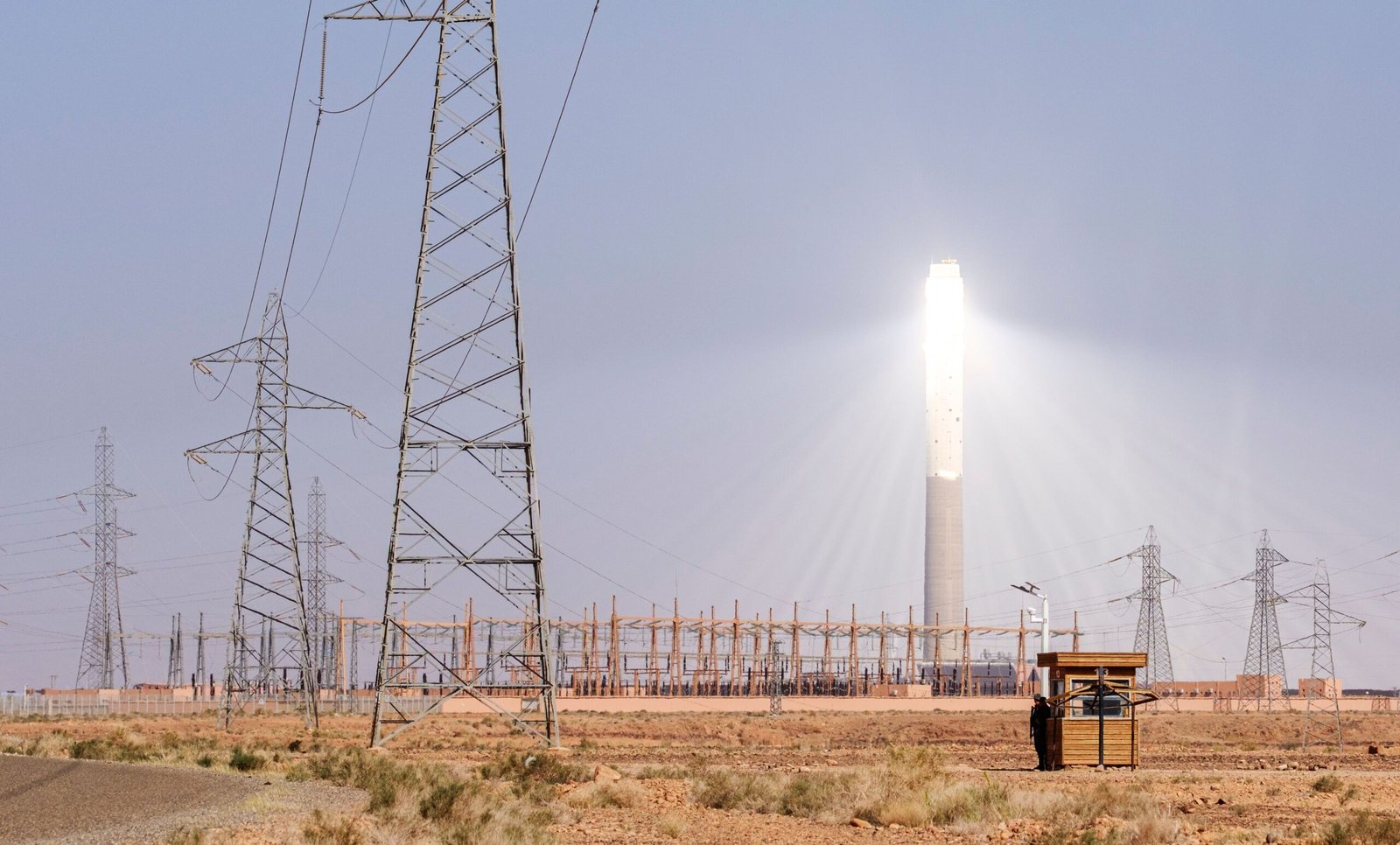
Step 4: Address thermal expansion and stress
Differential thermal expansion between shell and tubes is the leading cause of failure in high-temperature shell-and-tube exchangers. Solutions:
U-tube bundle: tubes expand freely, no expansion joint needed
Floating head: one tubesheet is free to move
Expansion joint in shell: allows shell to expand independently
Bayonet design: inner tube expands into outer tube
Thermal stress analysis is mandatory. For complex geometries, FEA is used to verify stresses at tubesheet, nozzle, and support locations.
Step 5: Handle vibration and flow-induced problems
High-velocity gases and two-phase flow can cause tube vibration, leading to fatigue cracking. Mitigation:
Vibration analysis per TEMA or HTRI methods
Tube supports at calculated spacing
“No tubes in window” layout
Reduced baffle spacing
Thicker tube walls
For high-pressure gases, consider a PCHE or welded plate design where channels are etched and diffusion-bonded, eliminating vibration risk.
Step 6: Design for cleaning and maintenance
High-temperature fouling — coking, polymerization, scaling — is common. Design features that help:
Removable bundle or floating head for mechanical cleaning
Square tube pitch for outside cleaning
Large nozzles for chemical cleaning and drainage
Proper vent and drain points
Velocity control to stay in self-cleaning range
If fouling is severe, consider a spare exchanger or online cleaning system.
Chemical plant vs power plant: different priorities
Chemical plants often deal with corrosive fluids, hydrogen, and aggressive chemicals. Material selection and corrosion allowance are critical. Hydrogen service requires Nelson curve compliance and often 2.25Cr-1Mo or similar alloys. Heat recovery from exothermic reactions is a common high P/T duty.
Power plants focus on steam and water cycles. Feedwater heaters, condensers, and reboilers operate at high pressure and temperature. Supercritical and ultra-supercritical plants push steam to 250+ bar and 600+°C, requiring advanced alloys like P91, P92, or nickel-based alloys. PCHEs are gaining traction in supercritical CO₂ cycles.
Common mistakes
Using carbon steel above its creep limit
Ignoring differential thermal expansion
Selecting a fixed tubesheet design for high temperature
Under-specifying corrosion allowance
Skipping vibration analysis
Choosing a plate-and-frame unit for high pressure
Not accounting for startup and upset conditions
Buying on price without verifying material certificates and code compliance
What to send for a quote
To get an accurate design and price, provide:
Heat duty or outlet temperature
Flow rates, both sides
Inlet and outlet temperatures
Fluid composition and concentration
Design pressure and temperature (separate from operating)
Allowable pressure drop
Required materials
Applicable codes and stamps (ASME U, PED, TEMA, NACE)
Cleaning method and frequency
Space and weight constraints
Piping connection sizes and orientations
Missing design pressure, temperature, and materials cause most of the back-and-forth in high P/T projects.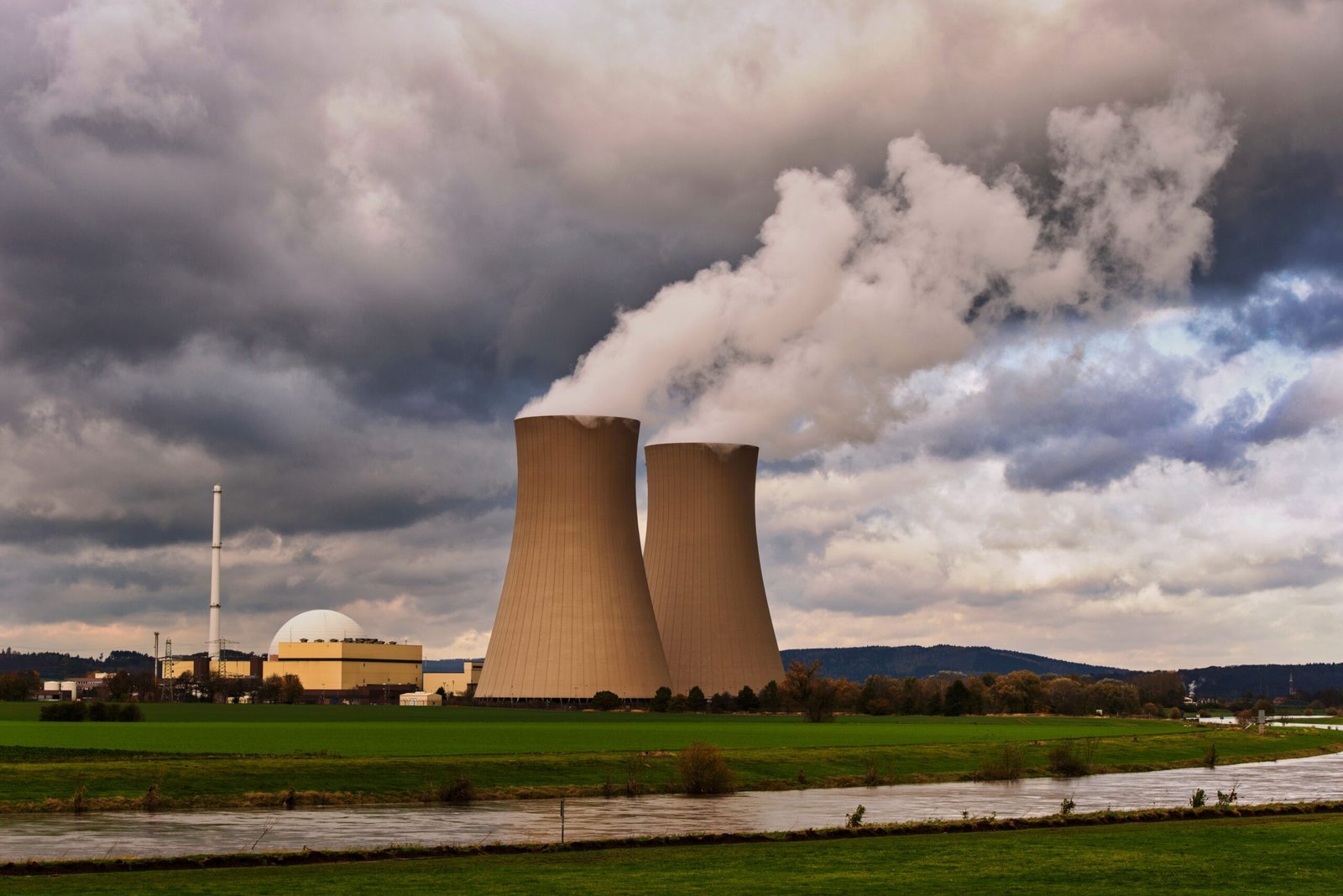
FAQ
What is the maximum pressure for a shell-and-tube heat exchanger?
Typically 150–250 bar, depending on diameter, material, and design. Above that, double-pipe or PCHE designs are more practical.
What is a PCHE?
Printed circuit heat exchanger. It uses diffusion-bonded plates with etched channels. It handles up to 1000 bar and 900°C in a compact footprint.
How do I handle thermal expansion in a high-temperature heat exchanger?
Use a U-tube, floating head, bayonet, or expansion joint. Fixed tubesheet designs are limited to moderate temperature differences.
What material is best for high-temperature hydrogen service?
2.25Cr-1Mo or similar low-alloy steels, per Nelson curves. Above 600°C, consider alloy 800H or Inconel.
What codes apply to high-pressure heat exchangers?
ASME BPVC Section VIII Div. 1 or Div. 2 in the U.S., PED 2014/68/EU and EN 13445 in Europe. TEMA covers mechanical standards for shell-and-tube.
How do I prevent tube vibration?
Use vibration analysis, proper tube support spacing, and consider “no tubes in window” layout. For extreme conditions, PCHE eliminates vibration risk.
Can I use a plate heat exchanger for high pressure?
Standard plate-and-frame is limited to about 25 bar. Welded plate can reach 100 bar. Above that, use shell-and-tube, double-pipe, or PCHE.