Choosing between OEM and ODM manufacturing affects product development costs, customization, intellectual property rights, production timelines, and long-term competitiveness. For businesses sourcing heat exchangers or developing equipment that incorporates heat transfer systems, the decision also influences engineering responsibility, technical specifications, and product performance.
OEM and ODM are both common international manufacturing models, but they serve different business needs. One may be more suitable for companies with established product designs, while the other can help businesses develop products without managing every aspect of engineering and design themselves.
The distinction is especially important when sourcing products from China. A supplier may offer OEM services, ODM solutions, or a combination of both. However, the terminology alone does not establish who owns the design, controls manufacturing, assumes engineering responsibility, or holds the relevant intellectual property rights.
This guide explains the differences between OEM and ODM manufacturing, compares their costs and benefits, and provides a practical framework for choosing the right model for your business.
ODM vs OEM: The Quick Answer
OEM (Original Equipment Manufacturer) and ODM (Original Design Manufacturer) differ primarily in how the product is designed and developed.
In a typical OEM arrangement, the buyer provides the product design, specifications, or engineering requirements, and the manufacturing partner produces the product accordingly. In an ODM arrangement, the supplier develops an existing or new product design that the buyer can purchase, brand, or adapt under agreed terms.
| Factor | OEM Manufacturing | ODM Manufacturing |
|---|---|---|
| Product design | Usually provided or controlled by the buyer | Usually developed or controlled by the supplier |
| Engineering responsibility | Often led by the buyer, with manufacturing support | Often led by the supplier, with buyer input |
| Customization | Can be extensive | Depends on the supplier’s design flexibility |
| Initial development cost | Potentially higher if the buyer must develop the design | Potentially lower when using an existing design |
| Development time | Depends on design readiness and validation requirements | Often shorter when adapting an existing product |
| Intellectual property | Depends on contracts and ownership of the buyer’s design | Supplier may retain ownership of its underlying design |
| Product differentiation | Greater potential for buyer-controlled differentiation | May be limited if other customers can buy similar products |
| Best suited for | Established product designs and specific technical requirements | Businesses seeking a faster route to market with less in-house design work |
The practical rule: Choose OEM when control over product design and specifications is a priority. Choose ODM when you want to commercialize a product based on a supplier’s design and reduce the amount of engineering development you must manage.
Neither model is automatically cheaper, faster, or better. The right choice depends on your technical requirements, resources, market strategy, intellectual property needs, and supplier agreement.
1. What Is OEM Manufacturing?
OEM manufacturing generally refers to an arrangement in which a manufacturer produces a product according to specifications, designs, or requirements supplied or controlled by another company.
The buyer may provide complete engineering drawings, a bill of materials, performance requirements, branding instructions, and quality standards. Alternatively, the buyer may provide preliminary specifications and work with the manufacturer to complete the engineering.
In industrial equipment, OEM arrangements are common when a company develops its own machinery, cooling equipment, HVAC systems, or industrial process equipment and outsources the production of some or all components.
How Does OEM Manufacturing Work?
A typical OEM project follows these steps:
- Define the product requirements. The buyer specifies the intended application, operating conditions, required performance, dimensions, materials, and applicable standards.
- Provide the design or engineering brief. The buyer supplies drawings and specifications or commissions engineering support to complete them.
- Review manufacturability. The manufacturing partner checks whether the proposed design can be produced using its available processes and equipment.
- Confirm the technical specification. Both parties agree on materials, tolerances, interfaces, inspection requirements, and acceptance criteria.
- Develop and validate the product. Prototypes, samples, or first articles may be required before serial production.
- Manufacture and inspect. The supplier produces the product and performs the agreed inspections and tests.
- Package and deliver. The product is prepared for shipment, with documentation appropriate to the order and destination.
The precise workflow varies according to product complexity, regulatory requirements, and the division of engineering responsibility.
What Are the Advantages of OEM Manufacturing?
OEM is particularly useful when a business needs control over product specifications, integration, or differentiation.
Its main advantages include:
- Greater design control: The buyer can define dimensions, interfaces, materials, and functional requirements.
- Product differentiation: A product developed around proprietary requirements may be more difficult for competitors to replicate.
- System integration: Custom products can be designed to fit existing equipment, production lines, or customer systems.
- Consistent specifications: A documented design and acceptance process can support repeat orders.
- Long-term product development: The buyer can develop a product roadmap around its own technical and commercial priorities.
These benefits depend on the buyer having sufficient engineering input, a reliable manufacturing partner, and clear contractual arrangements.
What Are the Disadvantages of OEM Manufacturing?
OEM projects can require substantial preparation before production begins.
The buyer may need to invest in engineering, prototype development, testing, design revisions, and tooling. If the design is incomplete, the project can experience repeated revisions and delays.
The buyer may also need to manage technical risks that would otherwise be handled by a supplier with a more established product design.
Practical example: A company developing an industrial cooling system needs a heat exchanger with specific dimensions, fluid connections, heat transfer performance, and pressure-drop limits. It already has engineering drawings and defined operating conditions. An OEM arrangement may allow the company to retain control over the system interface and product specifications while outsourcing manufacturing.
What Should You Provide to an OEM Supplier?
Prepare the following information where applicable:
- Product drawings and revisions
- Technical specifications and bill of materials
- Operating conditions and performance requirements
- Material and component requirements
- Dimensional tolerances and connection details
- Applicable standards and regulatory requirements
- Inspection and testing criteria
- Packaging, labeling, and branding requirements
- Estimated order volume and forecast
- Required delivery schedule
- Design ownership and intellectual property expectations
If the design is incomplete, identify which engineering tasks you expect the supplier to perform and who will approve the final design.
2. What Is ODM Manufacturing?
ODM manufacturing refers to an arrangement in which a supplier develops and owns, or otherwise controls, an existing product design that another business can purchase, brand, or customize under agreed terms.
Instead of developing every engineering detail from the beginning, the buyer selects a supplier’s existing product or design platform. The supplier may then provide modifications to meet the buyer’s requirements.
ODM is common in industries where suppliers have established product families, standardized components, and repeatable manufacturing processes.
For industrial products, the extent of customization can vary significantly. Some ODM arrangements involve little more than branding and packaging. Others include substantial changes to dimensions, materials, performance, or system interfaces.
How Does ODM Manufacturing Work?
A typical ODM project follows these steps:
- Define the market requirement. The buyer identifies the application, target customers, performance requirements, and commercial objectives.
- Review available product designs. The supplier presents existing models or design platforms that may fit the intended application.
- Evaluate technical suitability. The buyer and supplier review operating conditions, dimensions, performance, compatibility, and applicable standards.
- Agree on modifications. Both parties determine which features can be changed and which are fixed by the existing design.
- Confirm ownership and permitted use. The contract establishes branding rights, design ownership, exclusivity, and restrictions on customization or resale.
- Approve samples or validation results. Testing or engineering review is completed as required by the product and application.
- Place production orders. The supplier manufactures the agreed product and provides the required inspection records and documentation.
ODM is not necessarily a no-engineering process. Industrial applications may still require detailed calculations, compatibility checks, testing, and formal approval before a product can be used.
What Are the Advantages of ODM Manufacturing?
ODM can reduce the work required to bring a product to market, particularly when the supplier already has a suitable design.
Key benefits include:
- Potentially lower development costs: The buyer may avoid funding a complete design program.
- Shorter development time: Existing designs can reduce the need for initial engineering and prototyping.
- Simpler product development: The supplier may already understand the manufacturing process and design limitations.
- Access to established product platforms: The buyer can select from a range of existing products.
- Lower technical workload for the buyer: The supplier may manage much of the product design and engineering process.
These benefits are most likely when the existing design closely matches the buyer’s actual requirements.
What Are the Disadvantages of ODM Manufacturing?
The main trade-off is reduced control over the underlying product design.
The supplier may own the design, retain the right to sell similar products to other customers, or restrict modifications. The buyer may therefore have limited ability to create exclusive technical features or move production to another supplier.
Customization can also be more complicated than expected. A seemingly small change to a heat exchanger’s connections, materials, pressure rating, or thermal performance may require engineering review and additional testing.
Practical example: An equipment distributor needs a standard plate heat exchanger for a common heating application. A supplier already offers a model with suitable materials, connections, capacity, and operating limits. Selecting that model under an ODM-style arrangement may be more efficient than developing a completely new product.
What Should You Confirm Before Choosing ODM?
Ask the supplier:
- Is the design already in production?
- Which specifications can be customized?
- Who owns the underlying design?
- Can the same or a similar product be sold to other customers?
- Are there minimum order quantities?
- Are tooling or modification fees required?
- What technical documents are available?
- Who is responsible for validating changes?
- Can the product be sourced from another manufacturer if the relationship ends?
- Are branding, resale, and territorial exclusivity available under the contract?
These questions are especially important when your business depends on maintaining a differentiated product offering.
3. OEM vs ODM: The Key Differences for Business Buyers
The most important difference is not the label used by the supplier. It is the actual allocation of design control, engineering responsibility, intellectual property rights, manufacturing obligations, and commercial risk.
Product Design and Engineering Control
OEM is generally more suitable when the buyer controls the design or needs the product to meet a detailed, buyer-defined specification.
ODM is generally more suitable when the supplier’s existing design is acceptable and the buyer needs limited modifications.
However, the distinction is not absolute. An OEM manufacturer can provide design engineering, and an ODM supplier can offer extensive customization. The contract and technical specification determine the real arrangement.
Cost and Development Time
ODM can have lower initial development costs because the supplier has already invested in the underlying design. It may also shorten the time required to reach production.
OEM may require more engineering work, particularly when the product is new or highly customized. However, it can be commercially preferable if the design creates meaningful differentiation or meets requirements that standard products cannot satisfy.
Neither model guarantees a lower total cost.
Compare the full cost of development, tooling, testing, production, quality control, inventory, logistics, and future modifications.
Intellectual Property and Exclusivity
OEM does not automatically mean the buyer owns every drawing, invention, or manufacturing method used in production.
Likewise, ODM does not automatically mean the supplier has unrestricted rights to sell the product to everyone.
Intellectual property rights depend on applicable law, existing ownership, and the contract.
A well-drafted agreement should distinguish between:
- Background intellectual property: Designs, patents, software, manufacturing methods, and know-how that a party owned before the project.
- Project-specific intellectual property: New designs, drawings, or developments created for the project.
- Manufacturing know-how: Processes and technical knowledge used to produce the product.
- Branding assets: Trademarks, logos, packaging, and labels.
- Usage rights: The buyer’s right to use, modify, sell, or sublicense the product or design.
If exclusivity matters, specify its scope, duration, territory, product definition, and commercial conditions. Obtain appropriate legal advice for cross-border agreements.
Quality and Technical Responsibility
Neither OEM nor ODM automatically provides better quality.
Quality depends on the design, manufacturing process, materials, inspection system, testing requirements, supplier competence, and control of changes.
An OEM buyer may have greater influence over acceptance criteria but also greater responsibility for defining them. An ODM buyer may rely more heavily on the supplier’s existing design and validation records.
For safety-critical or high-pressure industrial equipment, the parties should explicitly agree on design approval, testing, documentation, and responsibility for compliance.
OEM vs ODM Comparison Table
| Decision Factor | OEM | ODM |
|---|---|---|
| Starting point | Buyer-defined design or specifications | Supplier’s existing or supplier-developed design |
| Engineering input from buyer | Often substantial | Often lower, depending on customization |
| Initial design investment | May be higher | May be lower when reusing an existing design |
| Time to production | Depends on design readiness and validation | May be shorter with a suitable existing design |
| Customization freedom | Often high when the design and agreement permit it | Depends on design architecture and supplier policy |
| Exclusive product potential | Possible through appropriate design and IP arrangements | Possible only if negotiated and legally supported |
| Supplier dependence | Depends on design portability, tooling, and manufacturing know-how | May be higher when the supplier controls the underlying design |
| Best commercial fit | Proprietary products or precise specifications | Standardized products or faster market entry |
4. Which Model Is Better for Heat Exchanger and Industrial Equipment Businesses?
For heat exchangers and industrial equipment, the better model depends on whether an existing design can safely and reliably meet the required operating conditions.
Heat exchangers are not interchangeable simply because their dimensions or nominal capacities appear similar. Thermal performance, pressure drop, corrosion resistance, mechanical limits, fluid compatibility, and applicable codes can determine whether a product is suitable.
When OEM Is the Better Choice
Consider OEM when:
- The heat exchanger must fit a proprietary machine or skid.
- Available products cannot meet the required dimensions or connection layout.
- The application requires specific thermal performance.
- Materials must be selected for unusual or corrosive fluids.
- The product must integrate with a particular control system or equipment configuration.
- You need buyer-defined drawings, interfaces, and acceptance criteria.
- Product differentiation is an important part of your business strategy.
Example: An equipment company is developing a cooling system with restricted installation space. Its engineering team has defined the thermal duty, flow rates, inlet and outlet temperatures, maximum allowable pressure drop, and connection requirements. A customized OEM heat exchanger may be appropriate because the product must fit a specific system design.
The final unit still requires suitable thermal and mechanical engineering validation.
When ODM Is the Better Choice
Consider ODM when:
- A supplier already offers a suitable product.
- The application uses common operating conditions.
- Standard connections and dimensions are acceptable.
- You want to sell a product under your own brand.
- You need to reduce initial engineering investment.
- Your business prioritizes distribution, sales, and market development rather than product design.
- You can accept the supplier’s design limitations and commercial terms.
Example: A distributor wants to supply standard heat exchangers for routine heating and cooling applications. An established product range may meet the requirements without a new design project. The distributor can concentrate on market access, customer support, and stock planning.
What Information Is Needed to Select an OEM or ODM Heat Exchanger?
The supplier needs sufficient operating information to determine whether an existing design is suitable or whether customization is required.
| Information | Why It Matters | What to Provide |
|---|---|---|
| Application | Establishes the operating purpose | HVAC, process cooling, oil cooling, refrigeration, or another use |
| Thermal duty | Defines the required heat transfer | kW or BTU/h, if known |
| Fluid on each side | Affects material selection and thermal properties | Water, glycol, oil, refrigerant, process fluid, or a defined mixture |
| Flow rate | Influences heat transfer and pressure drop | m³/h, L/min, or GPM |
| Inlet temperatures | Establishes the thermal design conditions | °C or °F for each fluid |
| Required outlet temperatures | Defines the required heat transfer result | Target temperatures for each fluid |
| Operating pressure | Affects mechanical design | Normal and maximum operating pressure in bar or psi |
| Allowable pressure drop | Limits pumping or system pressure losses | Pressure-drop limit for each circuit |
| Fluid composition | Helps identify compatibility and corrosion risks | Concentration, additives, contaminants, and relevant chemical data |
| Materials | Determines compatibility and durability | Required plate, tube, gasket, frame, or connection materials |
| Connections | Determines system integration | Type, nominal size, orientation, and connection standard |
| Installation conditions | Limits product dimensions and arrangement | Available space, orientation, ambient conditions, and service access |
| Standards and approvals | Determines applicable design and compliance requirements | Required codes, certifications, or customer specifications |
| Quantity and schedule | Affects sourcing and production planning | Sample quantity, annual demand, batch size, and required delivery date |
| Branding and documentation | Defines commercial presentation | Labels, packaging, manuals, drawings, and inspection records |
If the operating data are incomplete, begin with the information available and identify the missing parameters. Do not approve a product solely on nominal capacity or a catalog description.
5. How to Choose Between OEM and ODM: A Practical Decision Framework
Use the following framework before requesting quotations.
Step 1: Determine Whether an Existing Product Meets the Requirements
Start with the actual application rather than the manufacturing label.
For a heat exchanger, confirm thermal duty, fluid properties, inlet and outlet temperatures, operating pressure, allowable pressure drop, material compatibility, and connection requirements.
If an existing model meets these requirements and has adequate supporting documentation, ODM or standard-product sourcing may be sufficient.
If the design requires substantial changes, an OEM arrangement may be more appropriate.
Step 2: Assess Your Internal Engineering Resources
Ask whether your company can define and approve the design.
If your engineering team already controls the drawings, interfaces, and acceptance criteria, OEM manufacturing may provide a straightforward outsourcing route.
If your company lacks the resources to develop a product, an ODM solution may reduce the workload. However, you still need enough technical expertise to verify that the proposed product is suitable.
For industrial equipment, outsourcing design does not remove the need to confirm that the final product meets the application’s safety and performance requirements.
Step 3: Calculate the Total Project Cost
Do not compare quotations based only on unit price.
Consider the following cost categories:
- Initial engineering and design
- Tooling, fixtures, and development samples
- Product testing and validation
- Production unit price
- Inspection and documentation
- Packaging and labeling
- Freight, insurance, duties, and import-related charges
- Inventory and working capital
- Maintenance and spare parts
- Future engineering changes
- Supplier switching or product redesign
An ODM product may have a lower initial cost, while a customized OEM product may provide better commercial value over a longer product lifecycle. The result depends on the specific project.
Step 4: Evaluate Intellectual Property and Supplier Dependence
Determine what happens if the supplier relationship ends.
For OEM, confirm whether you can use your drawings with another manufacturer, whether any tooling belongs to you, and whether manufacturing know-how is transferable.
For ODM, determine whether the supplier can continue selling the design to other customers and whether your agreement grants any exclusivity.
Also consider the availability of replacement parts, product documentation, and future technical support.
Step 5: Confirm Quality and Compliance Requirements
For heat exchangers and other industrial products, clarify which party is responsible for:
- Thermal design and performance calculations
- Mechanical design and pressure-boundary requirements
- Material selection and compatibility
- Applicable codes and approvals
- Prototype or first-article validation
- Pressure, leak, or other specified tests
- Inspection records and traceability
- Final acceptance and change control
Applicable requirements depend on the product type, operating conditions, installation location, and end use. A generic statement that a product is “industrial grade” is not a substitute for documented specifications and relevant evidence.
Step 6: Compare Suppliers, Not Just Manufacturing Models
Request comparable quotations using the same technical specification.
Ask suppliers to identify exclusions, assumptions, deviations, and responsibilities. A lower quotation may omit testing, documentation, customization, or other requirements that another supplier has included.
A structured comparison makes it easier to identify the true cost and risk of each proposal.
6. Common Mistakes When Choosing OEM or ODM
Mistake 1: Assuming OEM Always Means Better Quality
Why it causes problems: OEM describes a commercial and manufacturing arrangement, not a guaranteed quality level. A poorly controlled OEM project can produce inconsistent products.
What to do instead: Evaluate manufacturing capability, material controls, inspection procedures, testing, and acceptance criteria. Confirm that the supplier can meet the actual requirements.
Mistake 2: Assuming ODM Is Always Cheaper
Why it causes problems: An existing design may require expensive modifications, special tooling, additional validation, or minimum order quantities.
What to do instead: Compare the complete project cost, including engineering, customization, testing, inventory, and future changes.
Mistake 3: Confusing Branding Rights with Design Ownership
Why it causes problems: A supplier may permit private labeling without transferring ownership of the product design or granting exclusivity.
What to do instead: Separate trademark, branding, design ownership, manufacturing rights, and exclusivity in the contract.
Mistake 4: Selecting a Product Based Only on Catalog Capacity
Why it causes problems: Heat exchanger performance depends on operating temperatures, fluid properties, flow rates, fouling, pressure drop, and other conditions. Two products with similar nominal capacities may perform differently in a specific system.
What to do instead: Provide the complete operating conditions and request a design review supported by relevant calculations or documentation.
Mistake 5: Changing Specifications After Design Approval
Why it causes problems: A change in fluid, pressure, temperature, material, or connection arrangement can affect thermal performance, mechanical integrity, and compliance.
What to do instead: Establish a controlled drawing and specification revision process. Require written approval before implementing changes.
Mistake 6: Ignoring Minimum Order Quantities and Lead Times
Why it causes problems: An ODM supplier may have standard production batches or limited flexibility for small orders. An OEM project may require additional time for engineering and validation.
What to do instead: Confirm sample availability, minimum order quantity, tooling lead time, production lead time, and repeat-order conditions before committing.
Mistake 7: Failing to Define Acceptance Criteria
Why it causes problems: Buyer and supplier may disagree about what constitutes an acceptable product, particularly if specifications are vague.
What to do instead: Document critical dimensions, materials, performance requirements, inspection methods, test conditions, tolerances, and acceptance limits.
Mistake 8: Overlooking Long-Term Spare Parts and Support
Why it causes problems: A product may be inexpensive initially but difficult to maintain if components become unavailable or technical documentation is insufficient.
What to do instead: Ask about spare parts, replacement compatibility, maintenance requirements, warranty terms, and future product availability.
Mistake 9: Treating the Trading Company as the Factory
Why it causes problems: A sourcing or export partner may coordinate a project without owning the production facilities. Assuming otherwise can lead to confusion about technical authority, inspection access, and responsibility.
What to do instead: Confirm the actual manufacturing entity, its relevant capabilities, who approves the design, who performs inspections, and who is contractually responsible for each deliverable.
 7. What Affects OEM and ODM Manufacturing Costs?
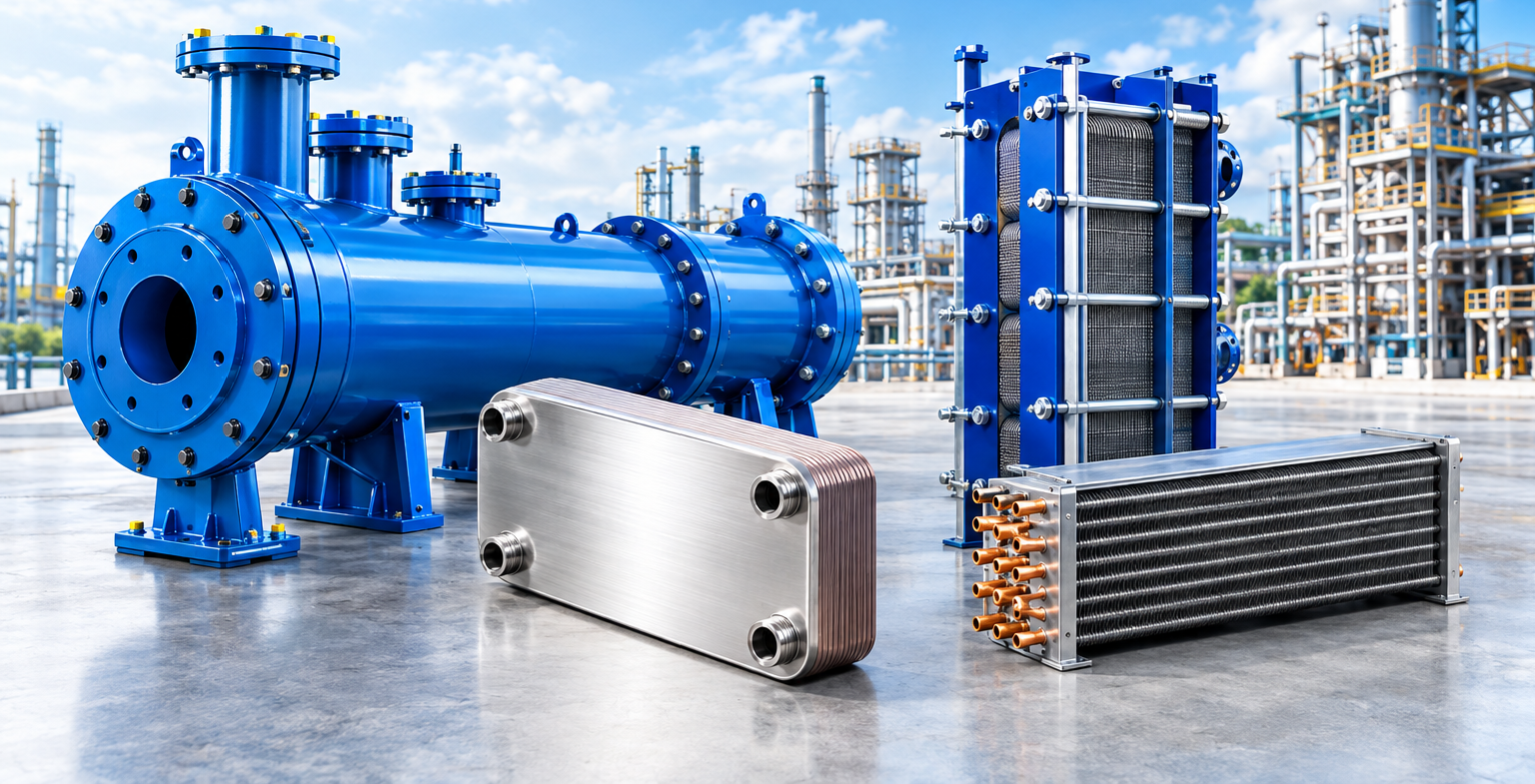 7. What Affects OEM and ODM Manufacturing Costs?
There is no universal price difference between OEM and ODM. The cost of either model depends on the product, engineering requirements, production volume, quality expectations, and contractual terms.
Main Cost Factors
| Cost Factor | OEM Considerations | ODM Considerations |
|---|---|---|
| Engineering | New design work may increase upfront cost | Existing designs may reduce initial development work |
| Customization | Extensive buyer-defined modifications can be costly | Costs depend on how far the product departs from the standard design |
| Tooling | Special tooling may be required | Existing tooling may be reusable, subject to compatibility and commercial terms |
| Testing | Testing must reflect the agreed requirements | Existing validation may help, but application-specific verification may still be needed |
| Materials | Special materials or components can increase cost | Standard materials may reduce cost; changes can increase it |
| Order quantity | Low volumes may have higher unit costs | Minimum order quantities may affect the economics |
| Documentation | Buyer-specific records and drawings may require additional work | Standard documentation may be available, with customization charged separately |
| Branding | Labels and packaging may require new artwork or setup | Private labeling may be available at an additional cost |
| Quality control | Additional inspections may be needed | Standard inspections may not cover every buyer requirement |
| Logistics | Packaging and shipping depend on product size and weight | The same logistics factors apply, including any supplier-specific packaging requirements |
How to Compare OEM and ODM Quotations Fairly
Ask each supplier to quote against the same scope of work.
The quotation should identify:
- Product model or design revision
- Technical specification and included components
- Unit price and order quantity
- Engineering or customization charges
- Tooling and sample charges
- Testing and inspection scope
- Required documentation
- Packaging and labeling
- Production and delivery lead times
- Payment terms and quotation validity
- Warranty and after-sales provisions
- Exclusions and assumptions
For heat exchangers, also confirm whether the quoted model is suitable for the stated thermal duty, fluids, pressures, temperatures, and pressure-drop limits.
The lowest unit price is not necessarily the lowest total cost. A quotation that excludes required engineering, testing, or documentation may create additional expenses later.
8. How to Evaluate an OEM or ODM Supplier in China
Sourcing from China can provide access to a wide range of industrial manufacturers and product specialists. However, supplier evaluation should focus on verifiable capabilities and project suitability rather than broad marketing claims.
A professional sourcing and export partner can help coordinate communication, compare technical proposals, clarify commercial terms, and manage international shipping. The actual manufacturing and engineering work must still be assigned to qualified parties.
Verify the Actual Manufacturing Arrangement
Ask who will manufacture the product and which company will be responsible for engineering, quality control, and final acceptance.
For customized heat exchangers, determine whether the proposed manufacturing partner has relevant experience with the required product type, such as:
- Gasketed plate heat exchangers
- Brazed plate heat exchangers
- Shell-and-tube heat exchangers
- Air-cooled heat exchangers
- Liquid cooling heat exchangers
- Heat exchanger components and spare parts
Capability in one product category does not automatically establish capability in another.
Review Technical Documents
Depending on the product, request relevant documentation such as:
- General arrangement drawings
- Technical datasheets
- Material specifications
- Thermal performance calculations
- Pressure-drop information
- Design pressure and temperature limits
- Applicable design codes and compliance documents
- Inspection and test plans
- Pressure or leak test records, where applicable
- Operating and maintenance instructions
Confirm that documents correspond to the actual product model and agreed revision.
Agree on Quality Control Before Production
Quality requirements should be established before the purchase order is confirmed.
For a customized industrial product, the agreement may specify incoming material verification, in-process inspections, dimensional checks, performance tests, pressure tests, leak tests, final inspection, or other product-specific controls.
Not every test applies to every heat exchanger. The inspection plan should reflect the construction method, operating conditions, applicable standards, and contractual requirements.
Clarify Commercial and Export Responsibilities
Confirm which party will handle:
- Purchase orders and order confirmation
- Production schedule coordination
- Inspection arrangements
- Packaging and shipping marks
- Export documentation
- Freight booking and shipment updates
- Customs-related information
- Warranty communication
- Spare parts and after-sales coordination
For international purchases, also clarify the agreed delivery terms, named place, allocation of transport costs, and transfer of risk under the applicable Incoterms® rule.
Questions to Ask Before Placing an Order
- Are you offering OEM manufacturing, ODM products, or both?
- Who owns the existing design and any new project-specific design?
- Which technical specifications can be changed?
- Who is responsible for engineering approval?
- What quality inspections and tests are included?
- Which documents will be supplied with the order?
- Can you provide samples or first-article approval where needed?
- What are the minimum order quantity and lead time?
- How are engineering changes controlled?
- What happens if the product fails to meet the agreed specification?
Clear answers help establish whether the supplier’s capabilities match the project’s technical and commercial requirements.
9. OEM vs ODM: Frequently Asked Questions
1. What Is the Main Difference Between OEM and ODM?
OEM generally involves manufacturing a product according to specifications or a design controlled by the buyer. ODM generally involves purchasing or customizing a product design developed or controlled by the supplier. The actual division of design responsibility and intellectual property rights depends on the agreement.
2. Is OEM Better Than ODM?
OEM is generally better when a business needs substantial control over design, specifications, and product differentiation. ODM is often more suitable when an existing product meets the requirements and the business wants to reduce development work. The better choice depends on the product, available resources, and commercial objectives.
3. Is ODM Cheaper Than OEM?
ODM can be cheaper initially because an existing design may reduce engineering and development expenses. However, customization fees, minimum order quantities, tooling, testing, and supplier restrictions can change the total cost. Compare the complete project cost rather than assuming one model is always cheaper.
4. Which Model Is Faster: OEM or ODM?
ODM can reach production faster when the supplier has a suitable, validated design available. OEM may require additional time for engineering, samples, design revisions, and testing. Actual lead time depends on product complexity, manufacturing capacity, order quantity, and approval requirements.
5. Can I Put My Own Brand on an ODM Product?
Yes, private labeling is possible when the supplier agrees to it and the contract permits the intended branding and resale. Confirm logo placement, packaging, labeling requirements, trademark use, and whether the same product can be sold to other customers.
6. Who Owns the Design in OEM Manufacturing?
Design ownership depends on the original ownership of the design, applicable law, and the contract. A buyer may own its original drawings while the manufacturer retains ownership of pre-existing manufacturing methods or background technology. Specify ownership and usage rights for all relevant design elements.
7. Can an ODM Product Be Customized?
Yes, many ODM products can be customized, but the extent varies by supplier and product. Changes to color, labeling, packaging, dimensions, materials, or performance may have different technical and commercial implications. Ask the supplier to identify which modifications are available and whether validation is required.
8. What Is the Difference Between OEM and Private Label?
OEM describes a manufacturing arrangement in which a product is produced according to buyer-defined or buyer-controlled specifications. Private label describes selling a product under the buyer’s brand. Private-label products may be sourced through ODM or other manufacturing arrangements.
9. Is OEM the Same as Contract Manufacturing?
Not exactly. Contract manufacturing is a broad term for outsourcing production to another company. OEM arrangements often involve buyer-defined product specifications, but terminology varies across industries and suppliers. The manufacturing agreement should specify design responsibilities, production obligations, and intellectual property rights.
10. Can a Trading Company Provide OEM or ODM Products?
Yes. A trading or export company can coordinate OEM or ODM sourcing through qualified manufacturing partners. Buyers should confirm which company performs the manufacturing, who handles engineering and quality control, and which party is contractually responsible for delivery and product conformity.
11. Is OEM or ODM Better for Heat Exchangers?
OEM may be more appropriate when a heat exchanger requires customized dimensions, connections, materials, or application-specific performance. ODM may be suitable when an existing design meets the thermal, mechanical, and installation requirements. The final choice should follow a technical review rather than a general preference for either model.
12. What Information Is Needed for an OEM Heat Exchanger Quotation?
Provide the application, fluids, flow rates, inlet and required outlet temperatures, heat duty if known, operating pressure, allowable pressure drop, materials, connection details, installation constraints, quantity, and destination. Drawings, applicable codes, and inspection requirements should also be provided where available.
13. Can I Change OEM or ODM Suppliers Later?
Changing suppliers is possible, but the process depends on design ownership, tooling access, documentation, proprietary technology, and contractual restrictions. Before ordering, confirm which drawings, specifications, tools, and technical records you can retain or transfer if the relationship ends.
14. What Is the Difference Between OEM and Original Design Ownership?
OEM is a manufacturing and commercial term; it does not automatically determine who owns the design. Design ownership is a separate intellectual property question governed by the relevant rights and agreement. A buyer should expressly document ownership, licensing, modification rights, and permitted commercial use.
10. Buyer Checklist: Before Choosing OEM or ODM
Use this checklist before requesting quotations or approving a supplier.
Product and Market Requirements
Define the intended application and target market.
Identify the product’s essential functions and performance requirements.
Determine whether an existing product could meet those requirements.
Define required branding, packaging, and labeling.
Estimate initial order quantity and expected future demand.
Technical Requirements
Prepare drawings, specifications, or a detailed engineering brief.
Define critical dimensions and interfaces.
Specify materials and component requirements.
Identify applicable standards and regulatory requirements.
Establish inspection and testing criteria.
Determine whether samples, prototypes, or first-article approval are required.
For heat exchangers, also provide:
Fluid type and composition on each side.
Flow rates and inlet temperatures.
Required outlet temperatures or heat duty.
Operating and design pressure requirements.
Allowable pressure drop.
Corrosion, fouling, and cleaning considerations.
Installation space and connection requirements.
Commercial and Contractual Requirements
Confirm the actual manufacturer and project responsibilities.
Define engineering and design approval responsibilities.
Agree on design ownership and usage rights.
Confirm customization limits and exclusivity, if required.
Compare tooling, testing, unit prices, and other charges.
Confirm minimum order quantity and lead time.
Agree on quality acceptance criteria and remedies for nonconformity.
Confirm packaging, shipping, and delivery terms.
Establish warranty, spare parts, and after-sales arrangements.
Review the contract and applicable intellectual property protections.
Completing this checklist before ordering helps reduce misunderstandings, avoid preventable revisions, and make supplier quotations easier to compare.
11. Work With a Sourcing Partner for OEM and ODM Heat Exchangers
Selecting between OEM and ODM is ultimately a decision about product control, engineering responsibility, development cost, and commercial risk.
For businesses purchasing heat exchangers, the first step should be to establish the actual operating requirements. Once those requirements are clear, a supplier can assess whether an existing product is suitable or whether a customized solution is necessary.
We work closely with qualified manufacturing partners and engineering teams to provide product sourcing, technical coordination, customization, quality control coordination, and international export support. Our role is to help international buyers communicate their requirements clearly, evaluate suitable product options, and coordinate the sourcing process.
For OEM or ODM heat exchanger projects, the information needed for an initial review may include:
- Intended application and equipment type
- Fluid types, flow rates, and operating temperatures
- Required thermal performance
- Pressure and pressure-drop requirements
- Materials and connection specifications
- Drawings or reference products, if available
- Estimated quantity and delivery destination
- Branding, documentation, and inspection requirements
If some technical information is not yet available, explain the application and provide the data you have. The missing information can then be identified before a final product recommendation is made.
Need an OEM or ODM heat exchanger for your equipment or project?
Send us your operating conditions, drawings, target specifications, and estimated quantity. We can review your requirements and coordinate with qualified manufacturing partners to discuss suitable standard, customized, or OEM sourcing options.
Click here to schedule a consultation or contact our team to discuss your project.