Description
Product attributes
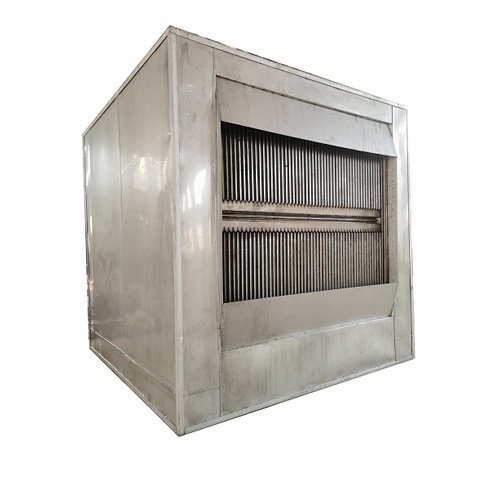
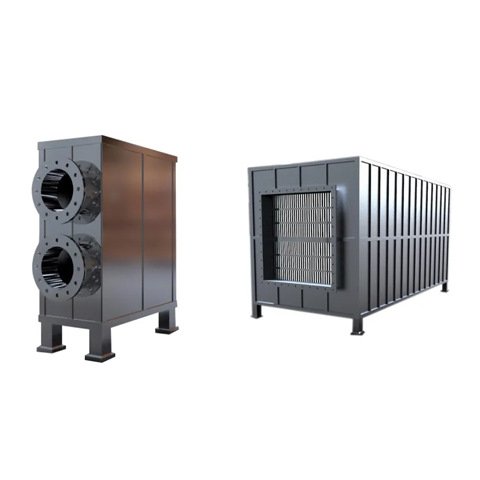
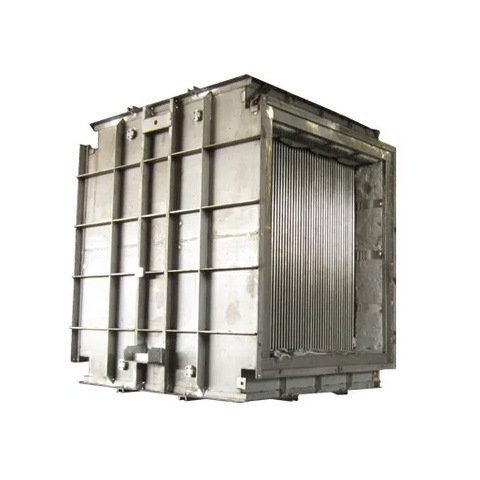
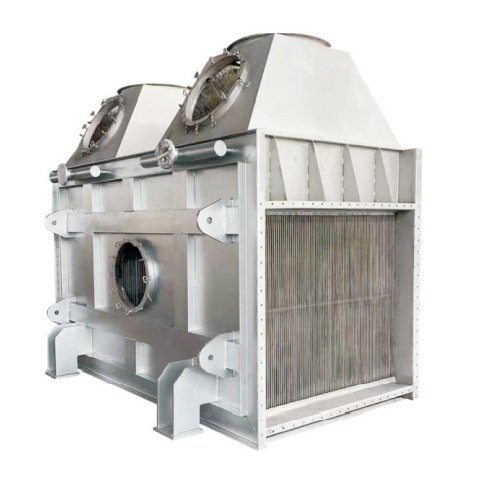
| Brand | Zhongzhen | Product aliases | Waste heat recovery boiler energy economizer |
|---|---|---|---|
| Whether cross-border export is exclusively supplied by the source | Yes | ||
Application Areas
| Application Industry | Description |
|---|---|
| Food Industry | Heating, cooling, and evaporation in the processing of various foods, beverages, fruit juices, beer, etc. |
| Petroleum Industry | Heat recovery and cooling during seawater cooling cycles or the cooling of ethylene glycol and crude oil, desalination units, fresh water distillation, and triethylene glycol dehydration on offshore and drilling platforms. |
| Paper Industry | Many processes in paper mills can use our plate-type gas-gas heat exchangers because they occupy a small footprint and have high heat recovery efficiency. |
| Textile Industry | Heat recovery from various waste liquids in textile mills, cooling of boiling phosphated fibers, cooling of viscose liquid, cooling of acetic acid and acetic anhydride, cooling of alkaline aqueous solutions, and heating and cooling of viscose filaments. |
(1) Product Parameters
Usage Parameters: Pretreatment Workshop
Exhaust Gas 75°C → 55°C, 60,000 m³/h
Fresh Air 25°C → 55°C, 70,000 m³/h
Leaching Workshop
Exhaust Gas 80°C → 65°C, 25,000 m³/
Fresh Air 25°C → 75°C, 70,000 m³/h
Heat Exchange Equipment: Pretreatment Workshop BK-900
Leaching Workshop BK800
Operating Conditions: Waste heat recovery from 75°C exhaust gas for extruded material drying in the pretreatment workshop
Waste heat recovery from 80°C exhaust gas for soybean meal drying in the leaching workshop
Remarks: Energy saving: 767KW + 1280KW = 2047KW, equivalent to saving 3 tons of steam per hour, annual coal saving of 2790 tons.
(2) Application Prospects
As a new type of energy-saving gas-to-gas heat exchanger, plate gas-to-gas exchangers have good application prospects in many fields.
Developed Applications – Grain and oil, new energy lithium batteries, solid waste treatment, etc.;
Auxiliary power (boiler) flue gas desulfurization and denitration recovery treatment
Textile printing and dyeing finishing machine waste energy recovery
Kitchen waste treatment waste gas utilization, etc.;
Developing Applications – Waste energy recovery in pulp and paper making
Exhaust gas recovery in drying rooms for agricultural and sideline product processing
Waste energy recovery in the steel industry
Exhaust gas energy recovery in the non-ferrous metal industry
Exhaust gas energy recovery in the petrochemical industry
Urban waste treatment exhaust gas energy saving
(3) Product Features
1. No harmful substance leakage; separated from electrical equipment, ensuring reliable protection;
2. High heat transfer efficiency: thin plates with good thermal conductivity; heat transfer efficiency is 20-50% higher than that of tubular types;
3. Large logarithmic mean temperature difference: near counterflow heat exchange; high temperature correction factor, achieving end temperature difference of more than 20°C;
4. Small footprint: compact structure of plate heat exchanger; large heat transfer area per unit volume; equipment occupies 20-30% less space than tubular heat exchangers;
5. Lightweight: under the same heat transfer area and material, plate air-to-air heat exchanger weighs more than half less than tubular type;
6. Low cost: due to good heat transfer performance under the same conditions, smaller heat transfer area, overall cost is lower than tubular heat exchangers;
7. Resistant to blockage: large gaps between plate channels, few contact points, smooth heat transfer surfaces, facilitating fluid with solid particles to pass through, making impurities less likely to deposit;
8. Easy to clean: equipment interior can be flushed online with clean water; minimal residue, cleaning is convenient and quick.
(4) Problems Solved by Energy-Saving System
1. Waste heat recovery, reducing fuel consumption and lowering energy use; the system can save 10%-30% of fuel.
2. Reduces exhaust steam, meeting low-carbon and energy-saving requirements; during operation, system lowers exhaust steam temperature and reduces water vapor emission.
3. Improves on-site working environment and extends system service life; water vapor is not naturally discharged, improving the working environment on site, and equipment is less prone to rust and oxidation.
(5) Energy-saving Effect Analysis
Economic Analysis:
Taking a drying tower with a daily processing capacity of 300 tons as an example, when the hot air is heated from 0°C to 120°C, the heat consumption is approximately 1.8 million kcal per hour. After adding the energy-saving system, the inlet air temperature of the hot air furnace increased from 0°C to 30°C, saving 25% of heat per hour, which is 450,000 kcal. Converted to standard coal, it is 90 kg, saving 2.16 tons per day. In half a year, the saving would be 30×6×2.16=388 tons of standard coal. At a price of 1,000 yuan per ton, a half-year (one drying season) can save 388,000 yuan.
Energy-saving and Low-carbon Analysis:
Generally, burning 1 ton of standard coal emits 2.6 tons of carbon dioxide. According to the above analysis, half a year can save 1,000 tons of CO₂ emissions. With at least 10,000 units of 300-ton drying towers, after complete transformation, the CO₂ emissions can be reduced by 10 million tons per drying season (half a year).
(6) Waste Heat Recovery Case Analysis
China Grain Reserve Oil and Fat Industry – Soybean Processing
Waste heat recovery reduces fuel consumption and lowers energy use: The energy-saving system can save 10%-30% of fuel.
Reduced exhaust and compliance with emission reduction requirements: The system lowers exhaust temperature during operation, reducing water vapor emissions.
Improved onsite working environment and extended system service life: Water vapor is not naturally discharged, improving the onsite working environment, and equipment is less prone to rust and oxidation.
(7) Case Displays
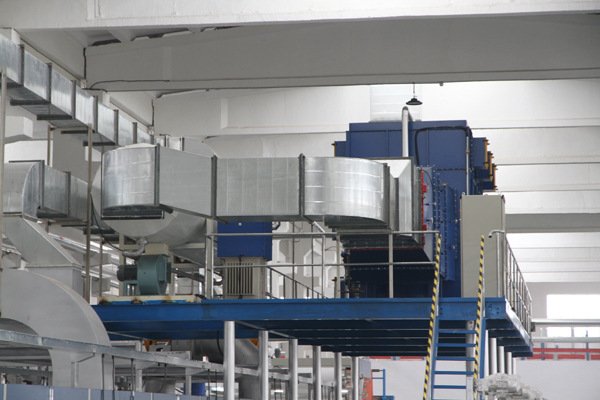

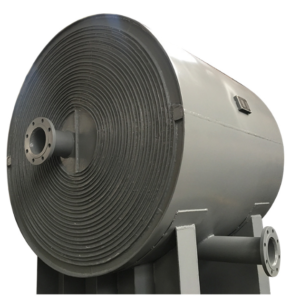
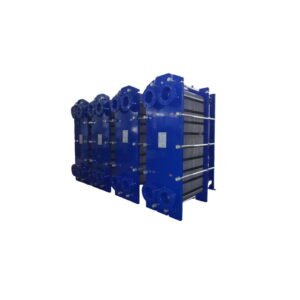
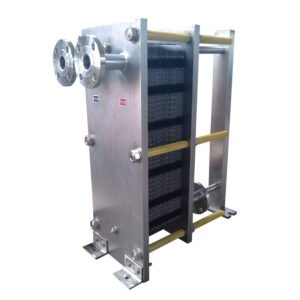
Reviews
There are no reviews yet.