Fouling is the silent killer of heat exchanger performance. It starts as a thin film. It ends as a production bottleneck.
A fouled heat exchanger loses heat transfer, raises pressure drop, and forces the system to work harder. Eventually, you shut down, open the unit, clean it, and start again. The cycle repeats.
This guide covers what causes fouling, how to monitor it, and how to reduce downtime and cleaning costs with practical design and operating solutions.
What Is Heat Exchanger Fouling?
Fouling is the accumulation of unwanted material on heat transfer surfaces. That material adds a thermal resistance layer and can restrict flow.
Common fouling types:
Scaling: Mineral deposits from hard water or process streams. Calcium carbonate, calcium sulfate, silica.
Crystallization: Solids form when solubility limits are exceeded. Common in cooling, evaporation, and crystallization processes.
Coking: Carbonaceous deposits from thermal degradation of hydrocarbons.
Polymerization: Chemical reaction forms sticky deposits on hot surfaces.
Biological: Bacteria, algae, and biofilm, especially in cooling water.
Particulate: Suspended solids settle on surfaces or get trapped in low-flow zones.
Corrosion: Rust and corrosion products deposit on tubes and plates.
Most real fouling is a mix. A scale layer may trap particulates. A biofilm may promote corrosion.
Why Fouling Costs More Than Cleaning
Fouling affects the whole system, not just the heat exchanger.
Lower heat transfer. U-value drops. Outlet temperatures fall.
Higher pressure drop. Flow channels narrow. Pumps work harder.
Higher energy use. More steam, more cooling water, more power.
Reduced capacity. The unit cannot handle design flow or duty.
Product quality risk. Temperature swings can cause off-spec product.
Unplanned downtime. Cleaning becomes urgent, not planned.
Shorter equipment life. Corrosion and thermal stress accelerate damage.
A fouled heat exchanger can easily cost more in energy and lost production than the cleaning itself.
How to Monitor Fouling
You cannot fix what you do not measure.
Track these indicators:
Outlet temperature: Falling hot-side outlet or rising cold-side outlet.
Pressure drop: Increasing across the unit.
Flow rate: Decreasing at constant pump speed.
Heat transfer coefficient: Calculated from flow, temperatures, and area.
Approach temperature: The difference between outlet temperatures and utility temperatures.
Visual inspection: During planned shutdowns.
Set alarm limits. Trend the data. A slow change is easier to manage than a sudden failure.
For critical units, use online monitoring with conductivity, pressure, and temperature sensors. Some systems use ultrasonic or vibration monitoring to detect deposit buildup.
Design Solutions to Reduce Fouling
Fouling resistance is not just an operating problem. It starts with design.
1. Maintain Velocity
Higher velocity reduces fouling by increasing shear at the wall. It also improves heat transfer.
Shell and tube: Keep tube-side velocity above 1.5–2.5 m/s (5–8 ft/s) for water-like fluids. Higher for fouling service.
Plate heat exchangers: Narrow gaps create high shear. Good for fouling fluids if pressure drop allows.
Air coolers: Ensure even airflow and no dead zones.
But high velocity increases pressure drop and erosion. Balance is key.
2. Avoid Low-Flow Zones
Dead zones, bypasses, and stagnant areas collect deposits.
Design for:
Proper inlet and outlet nozzle placement
No sharp corners or dead legs
Even flow distribution across tubes or plates
Vertical orientation for self-draining where possible
3. Choose the Right Type
Different heat exchangers handle fouling differently.
| Type | Fouling resistance | Cleaning |
|---|---|---|
| Shell and tube | Moderate | Removable bundle helps |
| Plate and frame | Low fouling if high shear | Easy to open and clean |
| Plate and shell | Moderate | CIP or open |
| Air cooler | External fouling common | Mechanical cleaning |
| Scraped surface | Excellent for viscous fouling | Self-cleaning |
For heavily fouling service, consider a scraped surface or fluidized bed heat exchanger.
4. Materials and Surface Finish
Smooth surfaces resist fouling. Electropolished stainless steel, titanium, and polymer coatings can reduce deposit adhesion.
Use corrosion-resistant materials to avoid corrosion products.
Specify surface finish Ra ≤ 0.8 µm for sanitary or sticky products.
Consider coatings like PTFE, ceramic, or nickel-based alloys for aggressive service.
5. Fouling Factor
TEMA and other standards use a fouling factor (Rf) in design. It is an allowance for expected fouling.
Do not over-specify. Too high a fouling factor oversizes the unit, which lowers velocity and can actually increase fouling. Too low and the unit fouls quickly.
Use real plant data or industry standards. Review after every cleaning.
Operating Solutions to Reduce Fouling
Design gets you started. Operation keeps you running.
1. Control Temperatures
High surface temperatures accelerate coking, scaling, and polymerization.
Reduce the temperature difference between the process and the heating medium.
Use lower-pressure steam or hot oil where possible.
Avoid overheating during startup or low-flow conditions.
For cooling water, keep the outlet temperature below the scaling threshold. For many waters, that is below 50–60°C (122–140°F).
2. Manage Water Chemistry
Cooling water is a major fouling source.
Use scale inhibitors, dispersants, and biocides.
Control pH, alkalinity, and hardness.
Filter suspended solids.
Monitor conductivity and corrosion rates.
For closed loops, maintain glycol and inhibitor levels.
3. Filter and Pre-Treat
Remove solids before they reach the heat exchanger.
Install strainers, filters, or hydrocyclones upstream.
Use inline filtration for particulate-laden streams.
Settle or centrifuge where possible.
4. Control Flow and Avoid Turndown Issues
Low flow causes deposition. High flow causes erosion.
Maintain minimum flow.
Use variable frequency drives carefully. Very low speed can reduce shear and promote fouling.
Avoid frequent startups and shutdowns that create thermal cycling.
5. Chemical Additives
Antifoulants, dispersants, and crystal modifiers can slow fouling.
Scale inhibitors for hardness.
Antifoulants for hydrocarbons.
Biocides for biological fouling.
Defoamers if foaming contributes.
Always check compatibility with the process and materials.
Cleaning Methods: Chemical vs Mechanical
When fouling occurs, you need to clean. The method depends on deposit type, heat exchanger design, and downtime tolerance.
Chemical Cleaning
Chemical cleaning dissolves or loosens deposits.
Acid cleaning: Removes scale and rust. Use inhibited acids to protect metal.
Alkaline cleaning: Removes organic deposits, oils, and grease.
Solvent cleaning: For polymers, resins, and hydrocarbons.
Chelating agents: For scale and metal oxides.
Dispersants: Suspend solids for removal.
Chemical cleaning can be done in place (CIP) or offline. It is often faster and reaches areas mechanical methods cannot. But it requires proper handling, neutralization, and disposal.
Mechanical Cleaning
Mechanical methods physically remove deposits.
Hydroblasting: High-pressure water jets.
Rodding and brushing: Manual or motor-driven.
Drilling: For hard scale in tubes.
Pigging: For pipelines and some heat exchangers.
Sponge balls: Online cleaning for tubes. Rubber balls circulate with cooling water and wipe the tube wall.
Mechanical cleaning is effective for hard deposits but can damage surfaces if done incorrectly. Always use the right tools and pressure.
Online Cleaning
Online cleaning reduces downtime by cleaning while the unit operates.
Sponge ball systems: Common in power plants and large cooling water systems.
Reverse flow: Periodically reverses flow to flush deposits.
CIP (Clean-in-Place): Recirculates cleaning solution without opening the unit.
Ultrasonic cleaning: Uses sound waves to dislodge deposits. Still developing for large units.
Online cleaning works best as a preventive measure. It does not replace periodic offline cleaning for heavy fouling.
Offline Cleaning
Offline cleaning requires shutdown but gives the most thorough result.
Open the unit. Remove bundle or plates.
Clean mechanically and/or chemically.
Inspect for corrosion, erosion, and wear.
Replace gaskets, seals, and damaged parts.
Reassemble and test.
Plan offline cleaning during scheduled maintenance. Keep spare bundles or plates to minimize downtime.
Reducing Downtime: Practical Strategies
Downtime is expensive. Here is how to cut it.
Predictive maintenance. Monitor performance. Clean when indicators reach a threshold, not on a fixed calendar.
Keep spare parts. Spare bundles, plates, gaskets, and seals. Swap and clean offline.
Design for access. Removable bundles, hinged covers, quick-release connections.
Use CIP where possible. Clean without opening.
Train operators. Early detection prevents emergency shutdowns.
Standardize. Use common parts across similar units.
Document. Record cleaning dates, methods, and results. Learn from each cycle.
Consider online cleaning. Sponge balls or reverse flow can extend run length.

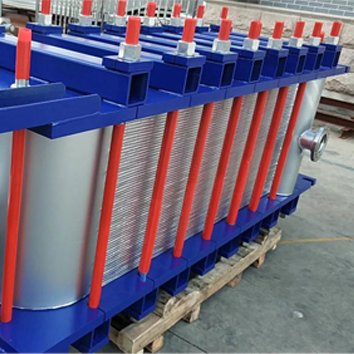
Common Pain Points and Fixes
Rapid fouling after cleaning
Check velocity, temperature, water chemistry, and cleaning effectiveness. You may have cleaned the symptom, not the cause.
Hard scale that won’t dissolve
Use mechanical cleaning or stronger chemicals. Consider pre-treatment to prevent scale.
Polymer or coke deposits
Reduce surface temperature. Use solvent or thermal cleaning. Consider a different heat exchanger type.
Biological slime
Add biocide, control pH, and reduce organic load. Clean with alkaline solution.
High pressure drop after cleaning
Check for remaining deposits, damaged tubes, or gasket protrusion.
Repeated tube failures
Corrosion or erosion. Check water chemistry and velocity. Consider upgrading materials.
FAQ
What is a normal fouling factor?
It depends on the service. Clean water may be 0.0001–0.0002 m²K/W. Cooling tower water can be 0.0003–0.0006. Hydrocarbons and process streams can be higher. Use TEMA or plant data.
How often should I clean my heat exchanger?
When performance drops below an acceptable limit. Monitor U-value and pressure drop. Do not wait for a fixed schedule.
Can I clean a heat exchanger without shutting down?
Sometimes. Online methods like sponge balls, reverse flow, or CIP can clean while running. Heavy fouling usually needs offline cleaning.
What is the best cleaning method?
Depends on deposit type and equipment. Chemical for scale and organics. Mechanical for hard deposits. Often a combination.
How do I prevent fouling?
Control velocity, temperature, water chemistry, and filtration. Choose the right heat exchanger type. Monitor performance.
Is fouling worse in plate or shell and tube?
Plate heat exchangers have high shear and are often better for fouling fluids, but they can plug with large solids. Shell and tube are more forgiving with solids but harder to clean.
Bottom Line
Heat exchanger fouling is inevitable. Unplanned downtime is not.
Understand the fouling mechanism. Monitor performance. Design for cleaning access and high shear. Control temperature and water chemistry. Use the right cleaning method. Keep spares.
That is how you turn fouling from a crisis into a planned maintenance task.
If you are dealing with heat exchanger fouling, send your process conditions, fouling type, and current cleaning cycle. We will help you select a more fouling-resistant design, recommend cleaning methods, and reduce your downtime.