Heat exchanger maintenance intervals directly affect thermal performance, energy consumption, operating reliability, and equipment service life. For plant managers, maintenance engineers, and purchasing teams, the challenge is determining when an exchanger needs inspection, cleaning, or component replacement without scheduling unnecessary shutdowns.
There is no single maintenance interval suitable for every heat exchanger. A unit operating with clean, treated water may require a very different maintenance schedule from one handling hard water, oily process fluids, suspended solids, corrosive chemicals, or fluids that tend to form deposits.
Servicing too infrequently can lead to fouling, excessive pressure drop, reduced heat transfer, leakage, and unplanned downtime. Servicing too frequently can increase labor costs, consume replacement parts, and expose equipment to unnecessary dismantling or chemical cleaning.
This guide explains how often to service different heat exchanger types, which operating conditions influence maintenance frequency, how to recognize when servicing is necessary, and how to develop a practical maintenance schedule based on equipment condition rather than guesswork.
Quick Answer: How Often Should a Heat Exchanger Be Serviced?
A heat exchanger should be inspected and serviced according to its design, operating conditions, fluid cleanliness, fouling history, and manufacturer recommendations. Routine operating checks may be required daily or weekly, while detailed inspections and cleaning may be scheduled less frequently or triggered by changes in performance.
As an initial planning framework, industrial operators can use the following intervals as starting points—not universal engineering requirements.
| Maintenance activity | Illustrative starting frequency | What determines the actual interval? |
|---|---|---|
| Check operating temperatures, flow, and pressure | Each operating shift or according to the monitoring system | Process criticality and instrumentation |
| Review pressure drop and thermal performance trends | Weekly or monthly | Fouling tendency and operating stability |
| Inspect accessible connections and check for leakage | During routine operator rounds | Fluid hazards, operating pressure, and equipment design |
| Inspect strainers, filters, and fluid condition | According to differential pressure and contamination trends | Solids loading and upstream filtration |
| Perform a detailed condition assessment | At planned maintenance intervals, often annually for planning purposes | Manufacturer guidance, risk, and operating history |
| Clean the heat exchanger | When inspection or performance trends justify it | Deposit type, heat transfer deterioration, pressure drop, and cleaning risk |
| Inspect or replace gaskets and other serviceable components | During opening or when condition indicates a need | Material condition, leakage, and manufacturer instructions |
These intervals are intended to help establish an initial maintenance plan. They should be adjusted using actual operating data, equipment documentation, and the consequences of equipment failure.
The key principle is simple: monitor continuously where possible, inspect according to risk, and clean when the evidence indicates that cleaning is necessary.
1. What Determines Heat Exchanger Maintenance Frequency?
Heat exchanger maintenance frequency depends primarily on fouling potential, fluid chemistry, operating conditions, equipment construction, and the consequences of performance loss.
Two heat exchangers of the same model may need different service intervals because they handle different fluids or operate under different conditions.
1.1 Fluid Type and Cleanliness
The fluids passing through an exchanger are among the strongest predictors of maintenance requirements.
| Fluid or application | Potential maintenance concern | Practical maintenance approach |
|---|---|---|
| Treated cooling water | Mineral deposits, corrosion products, suspended solids | Monitor water quality, pressure drop, and thermal performance |
| Hard water | Calcium carbonate and other mineral scale | Review water treatment, scaling tendency, and operating temperatures |
| Seawater | Deposits, corrosion, and biological growth | Assess material compatibility, filtration, and site-specific fouling history |
| Glycol mixtures | Contamination, degraded fluid, or particulate buildup | Monitor fluid condition, filtration, and concentration where relevant |
| Oil and lubricants | Oxidized oil, sludge, and deposits | Check oil condition, filtration, and temperature trends |
| Food-processing fluids | Product residue, viscosity changes, and hygiene requirements | Follow validated cleaning procedures and applicable sanitation requirements |
| Chemical process fluids | Corrosion products, reaction residues, and material compatibility risks | Establish a process-specific inspection and cleaning plan |
| Refrigeration or liquid-cooling circuits | Particulate contamination, coolant degradation, or restricted flow | Monitor coolant condition, filters, flow, and thermal performance |
Problem: An operator uses the same maintenance schedule for every exchanger in the plant.
Why it happens: Maintenance intervals are often inherited from general plant procedures rather than developed for each fluid and operating duty.
How to solve it: Classify equipment according to fluid cleanliness, fouling potential, corrosion risk, and production importance. Give higher-risk equipment more frequent monitoring and more detailed condition reviews.
What to provide to a supplier: Fluid name, concentration, operating temperature, contamination level, water chemistry where relevant, and previous deposit descriptions.
For example, a chilled-water exchanger supplied with well-maintained, filtered water may remain stable for an extended period. An exchanger exposed to untreated water with high mineral content may develop scale more quickly, especially when operating conditions favor precipitation.
The correct interval should be established from operating evidence rather than assumed from the application name alone.
1.2 Operating Temperature, Flow Rate, and Load
Operating conditions influence both heat transfer performance and deposit formation.
Higher temperatures can accelerate some scaling or chemical reactions. Low flow velocity may allow particles to settle in certain passages, while high velocity can increase erosion risk in susceptible materials and geometries. Frequent starts, stops, and load changes may also affect operating stability.
Maintenance planning should therefore consider:
- Hot-side and cold-side inlet temperatures.
- Hot-side and cold-side outlet temperatures.
- Flow rate on both sides.
- Operating pressure and pressure drop.
- Changes in thermal duty.
- Frequency of starts and stops.
- Whether the exchanger operates continuously or intermittently.
- Deviations from the original design conditions.
Problem: Heat transfer capacity gradually decreases even though the exchanger has not reached its scheduled cleaning date.
Why it happens: Fouling may be developing faster than expected, or the operating conditions may have changed. However, the same symptoms can result from inadequate flow, control-valve problems, bypass leakage, air accumulation, or incorrect sensor readings.
How to solve it: Compare current measurements with the original design basis and historical operating data. Confirm flow rates, temperatures, pressure drop, and control settings before deciding that cleaning is required.
Do not assume that every loss of thermal performance is caused by fouling.
1.3 Equipment Design and Construction
The construction of the heat exchanger affects how it can be inspected, cleaned, and repaired.
A gasketed plate heat exchanger can generally be opened for inspection. A brazed plate heat exchanger normally cannot be dismantled for routine internal access. A shell-and-tube exchanger may require tube-side cleaning, shell-side access, or tube-bundle removal depending on its design.
Air-cooled heat exchangers have additional maintenance requirements involving fans, motors, fins, louvers, and airflow passages.
The maintenance plan should therefore be specific to the equipment type.
1.4 Production Criticality and Failure Consequences
Maintenance frequency should reflect the consequences of failure, not just the likelihood of fouling.
An exchanger serving a noncritical auxiliary system may tolerate a short period of reduced performance. An exchanger supporting a critical production process, refrigeration system, or essential cooling circuit may require closer monitoring and planned spare-part availability.
A useful risk assessment considers:
- The probability of fouling, leakage, corrosion, or mechanical failure.
- The operational consequences of reduced performance.
- The safety and environmental consequences of a leak.
- The availability of bypasses or backup equipment.
- The lead time for replacement parts or a complete unit.
- The time required to isolate, clean, repair, and recommission the equipment.
Where downtime would be particularly costly, condition monitoring and planned maintenance windows can be more valuable than simply increasing the frequency of dismantling.
2. Recommended Service Intervals by Heat Exchanger Type
Different heat exchanger designs require different maintenance strategies. The following table provides practical starting points for planning, subject to manufacturer instructions and site-specific operating conditions.
| Heat exchanger type | Routine monitoring | Detailed inspection | Cleaning or servicing trigger |
|---|---|---|---|
| Gasketed plate heat exchanger | Track temperatures, flow, pressure drop, and leakage during operation | At planned maintenance intervals or when trends deteriorate | Fouling, abnormal pressure drop, reduced duty, leakage, or inspection findings |
| Brazed plate heat exchanger | Monitor thermal performance, pressure drop, and fluid cleanliness | Review condition when performance changes or according to the manufacturer’s maintenance guidance | Confirmed fouling, restricted flow, or internal problems that justify approved flushing or replacement assessment |
| Shell-and-tube heat exchanger | Monitor both sides’ temperatures, flow, and pressure drop | Based on risk, operating history, and accessibility requirements | Tube fouling, scaling, abnormal pressure drop, leakage, or inspection findings |
| Air-cooled heat exchanger | Check airflow, fan operation, abnormal noise, and performance | Inspect fans, motors, fins, guards, and structural components according to duty and environment | Restricted airflow, damaged fins, fan problems, or deteriorating cooling performance |
| Liquid cooling heat exchanger | Monitor coolant condition, flow, temperature, and filtration | Review coolant quality, seals, and system condition according to application | Contamination, restricted flow, coolant degradation, leakage, or insufficient cooling |
These categories are not fixed cleaning schedules. The appropriate interval may be shorter or longer depending on fluid properties, operating conditions, and the manufacturer’s instructions.
2.1 Gasketed Plate Heat Exchangers
Gasketed plate heat exchangers are designed so that the plate pack can generally be opened for inspection and cleaning.
Maintenance may involve:
- Checking external leakage and gasket condition.
- Monitoring pressure drop and thermal performance.
- Inspecting strainers and upstream filtration.
- Opening the unit when condition data or inspection findings justify it.
- Cleaning plates using approved methods.
- Inspecting plates for corrosion, deformation, and damage.
- Replacing damaged or unsuitable gaskets.
- Reassembling the plate pack according to the specified dimensions and procedures.
A gasketed plate exchanger should not automatically be dismantled every year. If performance remains stable and the operating conditions are clean, unnecessary opening can increase labor and the risk of assembly errors.
Conversely, a unit with increasing pressure drop, declining duty, or leakage may need attention before its planned maintenance date.
When opening the unit, record the plate arrangement if required by the design, follow the manufacturer’s instructions, and avoid bending plates or damaging gasket grooves.
2.2 Brazed Plate Heat Exchangers
Brazed plate heat exchangers are compact units in which the plates are joined by a brazing material. They are not normally designed to be opened for routine internal inspection.
Maintenance typically focuses on:
- Monitoring thermal performance.
- Checking pressure drop and flow restrictions.
- Maintaining fluid cleanliness.
- Inspecting external connections for leakage.
- Using compatible flushing or chemical-cleaning procedures when approved.
- Assessing replacement when blockage, corrosion, or internal damage cannot be resolved safely.
Do not apply a cleaning procedure intended for an openable gasketed plate exchanger to a brazed unit without checking its construction and material compatibility.
Chemical compatibility depends on the plate material, brazing alloy, fluid, deposits, and cleaning conditions. If internal damage or a leak develops, the manufacturer or a qualified technical specialist should assess whether the unit is suitable for continued operation.
2.3 Shell-and-Tube Heat Exchangers
Shell-and-tube heat exchangers may accumulate deposits inside the tubes, on the shell side, or around internal components such as baffles.
Maintenance may include:
- Monitoring temperature differences and pressure drop on both sides.
- Checking strainers and upstream filtration.
- Inspecting tube sheets, tubes, baffles, seals, and accessible internal surfaces.
- Mechanical tube cleaning where the design allows it.
- Approved chemical circulation where compatible with the materials and deposits.
- Qualified hydrojetting when suitable for the tube material and equipment design.
- Evaluating corrosion, erosion, tube plugging, or leakage.
The location of the deposit matters. Tube-side cleaning will not necessarily remove shell-side fouling.
A cleaning contractor or service partner should confirm which side requires attention, the type of deposit involved, the available access, and the allowable cleaning method before work begins.
2.4 Air-Cooled Heat Exchangers
Air-cooled units transfer heat between a process fluid and ambient air. Their performance depends on both the internal fluid circuit and airflow across the heat-transfer surfaces.
Maintenance should consider:
- Dust and debris on fin surfaces.
- Oil or other deposits restricting airflow.
- Damaged or bent fins.
- Fan blade condition and operation.
- Motor, bearing, and drive-system condition where applicable.
- Abnormal vibration or noise.
- Guards, supports, and electrical isolation requirements.
The surrounding environment can have a major effect on maintenance frequency. Dusty industrial locations, airborne fibers, oily environments, and areas with high levels of airborne debris may require more frequent inspection than cleaner installations.
Cleaning methods should protect the fins and any protective coatings. Excessive water pressure, unsuitable chemicals, or careless mechanical cleaning can damage the surfaces and reduce heat transfer.
3. What Are the Signs That a Heat Exchanger Needs Servicing?
A heat exchanger may need inspection or cleaning when its thermal performance, hydraulic behavior, physical condition, or fluid quality changes significantly from its normal baseline.
No single symptom proves that cleaning is necessary. The correct response depends on the combined operating data and inspection findings.
Common warning signs
| Symptom | Possible causes | Recommended checks |
|---|---|---|
| Reduced heating or cooling capacity | Fouling, insufficient flow, changed fluid properties, control problems | Verify flow, inlet/outlet temperatures, control settings, and thermal duty |
| Increasing pressure drop | Deposits, blocked passages, restricted filters, valve restrictions | Compare differential pressure with baseline data and check upstream filters |
| Increasing temperature approach | Fouling, reduced flow, bypass leakage, sensor error | Confirm temperatures and flow, then assess thermal performance |
| Unexpectedly high energy consumption | Reduced heat transfer, excessive pumping, control problems | Review pump operation, system settings, flow, and exchanger performance |
| External leakage | Damaged gaskets, loose connections, corrosion, mechanical damage | Identify the leak source and follow safe isolation procedures |
| Cross-contamination between fluid circuits | Internal leakage or component failure | Stop or isolate the equipment as required by the process risk and investigate the source |
| Repeated filter blockage | Upstream contamination, corrosion products, process debris | Examine fluid quality and filtration rather than repeatedly cleaning the exchanger alone |
| Reduced air-cooled performance | Dirty fins, fan problems, recirculation, restricted airflow | Inspect airflow paths, fans, ambient conditions, and control operation |
3.1 Why Pressure Drop Matters
Pressure drop is the difference in pressure between the inlet and outlet of a flow passage. An unexpected increase can indicate restricted passages, deposits, blocked filters, or other hydraulic problems.
However, pressure drop also changes with flow rate and fluid properties. A reading taken at a higher flow rate cannot always be compared directly with a baseline recorded at a lower flow rate.
For a meaningful comparison:
- Record the flow rate at the time of measurement.
- Compare measurements under similar operating conditions.
- Confirm that the pressure sensors are functioning correctly.
- Check filters, strainers, valves, and bypass arrangements.
- Review whether the original design pressure drop is still appropriate for current operating conditions.
If pressure drop increases while thermal performance declines, fouling becomes a stronger possibility. The combination still needs to be evaluated alongside flow and temperature measurements.
3.2 How to Assess Declining Thermal Performance
Heat exchanger performance is often assessed by comparing the actual heat-transfer duty with the expected duty under comparable operating conditions.
For a fluid without a significant phase change, the heat transferred can be estimated using:
[
Q = \dot{m} , c_p , \Delta T
]
Where:
- (Q) = heat-transfer rate, typically in kW.
- (\dot{m}) = fluid mass flow rate, in kg/s.
- (c_p) = specific heat capacity, in kJ/(kg·K).
- (\Delta T) = temperature change across the exchanger, in K.
For example, if the flow rate decreases, the outlet temperature may change even if the exchanger surfaces are clean. Therefore, a lower outlet temperature difference or a higher temperature approach should not be interpreted in isolation.
For fluids undergoing phase change, or where fluid properties vary significantly with temperature, the assessment may require a more detailed energy balance.
A reliable diagnosis compares operating data with the design basis and accounts for measurement uncertainty, changes in flow, and changes in process conditions.
4. How Should You Establish a Heat Exchanger Maintenance Schedule?
The most reliable approach combines manufacturer recommendations, routine monitoring, periodic inspection, and condition-based servicing.
A calendar-based schedule is useful for planning resources, but it should not be the only factor determining when a unit is cleaned.
Step 1: Establish a Performance Baseline
Record the exchanger’s normal operating condition when it is known to be clean and functioning correctly.
Useful baseline data includes:
- Hot-side and cold-side inlet temperatures.
- Hot-side and cold-side outlet temperatures.
- Flow rates.
- Pressure drop on each side, where measurable.
- Operating pressure.
- Heat-transfer duty or relevant performance indicators.
- Fluid quality and filtration condition.
- Ambient temperature for air-cooled applications.
- Relevant control settings and operating load.
The baseline should correspond to clearly documented operating conditions. Otherwise, later comparisons may be misleading.
Step 2: Monitor Trends During Operation
Use operator rounds, installed instruments, or a plant monitoring system to track changes.
Focus on trends rather than isolated readings. A gradual deterioration over several weeks may reveal developing fouling, while a sudden change may indicate a blockage, control failure, leak, or instrumentation problem.
Define site-specific alert and action levels based on equipment design, process requirements, and the consequences of failure.
There is no universal pressure-drop increase or thermal-performance reduction that automatically requires cleaning across all heat exchangers.
Step 3: Investigate Abnormal Results
Before scheduling a cleaning shutdown, check whether the symptoms have another explanation.
Investigate:
- Flow rate and pump operation.
- Control valves and bypass arrangements.
- Filters and strainers.
- Temperature and pressure sensor accuracy.
- Air or gas accumulation where relevant.
- Changes in fluid composition or operating load.
- Evidence of leakage, corrosion, or mechanical damage.
This step can prevent unnecessary cleaning and help identify the actual cause of poor performance.
Step 4: Select the Appropriate Service
Once the likely cause is established, choose the least disruptive method that can safely address the problem.
Possible actions include:
- Correcting a control or flow problem.
- Cleaning upstream filters or strainers.
- Flushing a compatible system.
- Performing clean-in-place, or CIP, cleaning where the design supports it.
- Opening and cleaning a gasketed plate heat exchanger.
- Mechanically cleaning accessible shell-and-tube passages.
- Inspecting or replacing damaged gaskets or components.
- Replacing an exchanger when repair is unsuitable.
Cleaning is not always the correct solution. A badly corroded, mechanically damaged, or incorrectly selected unit may require repair, redesign, or replacement.
Step 5: Verify Performance After Servicing
After cleaning or maintenance, confirm that the equipment is safe to return to operation and performs as expected.
Depending on the work and applicable procedures, post-service checks may include:
- Inspection of plates, tubes, gaskets, seals, and connections.
- Reassembly according to manufacturer specifications.
- Pressure or leak testing where required.
- Safe removal or neutralization of cleaning chemicals.
- Flushing and disposal of waste according to applicable requirements.
- Gradual recommissioning.
- Verification of temperatures, flow, pressure drop, and leakage.
- Comparison with the pre-service and original baseline data.
Pressure-test values and procedures must come from the equipment documentation, applicable codes, and qualified engineering guidance. A universal test pressure should not be assumed.
Record the findings so the next maintenance interval can be based on actual performance.
Example: Developing a Schedule for a Water-Cooled Industrial Process
Consider a hypothetical factory using a gasketed plate heat exchanger with treated cooling water on one side and a process fluid on the other.
A practical maintenance plan could include:
- During normal operation: Record temperatures, flow, pressure drop, and any leakage indicators.
- During routine maintenance reviews: Compare the data with baseline performance and inspect accessible filters and strainers.
- When performance deteriorates: Verify flow, valves, sensors, and fluid conditions before attributing the problem to fouling.
- During planned shutdowns: Review the maintenance history and decide whether detailed inspection or cleaning is justified.
- After cleaning: Confirm leakage integrity and compare performance under similar operating conditions.
If the exchanger remains stable, opening it solely because a calendar date has arrived may be unnecessary. If the data shows a clear deterioration, waiting until the next annual shutdown may be inappropriate.
The exact schedule should be set using the plant’s operating history, risk assessment, and equipment instructions.
5. Which Heat Exchanger Cleaning Method Should You Choose?
The appropriate cleaning method depends on the exchanger construction, deposit type, material compatibility, access, and process safety requirements.
Choosing the wrong method can damage heat-transfer surfaces, gaskets, brazed joints, protective coatings, or other components.
5.1 Chemical Cleaning
Chemical cleaning uses a compatible cleaning solution to dissolve or loosen deposits.
It may be suitable for certain mineral scales, process residues, or other deposits where the chemistry is known and the equipment materials can tolerate the cleaning conditions.
Before selecting a chemical, confirm:
- The likely deposit composition.
- Plate or tube material.
- Gasket and elastomer compatibility.
- Brazing material, where applicable.
- Permitted chemical concentration and temperature.
- Circulation requirements and exposure time.
- Neutralization and disposal requirements.
- Rinsing and post-cleaning inspection requirements.
Do not select a cleaning chemical based on deposit type alone. A chemical that removes scale effectively may also attack the metal, gasket, brazing alloy, or protective coating.
Cleaning chemicals and procedures should be approved by the equipment manufacturer or an appropriately qualified material or cleaning specialist.
5.2 Mechanical Cleaning
Mechanical cleaning may use suitable brushes, manual cleaning tools, or professional water-jetting equipment.
It is commonly considered where deposits are physically accessible and the exchanger design permits the required access.
The main limitations are:
- Not all exchanger types can be opened.
- Incorrect tools may scratch, deform, or damage heat-transfer surfaces.
- Excessive jetting pressure may cause erosion or damage.
- Mechanical access may be limited by tube diameter, geometry, or internal components.
The method must match the material, passage geometry, and condition of the equipment.
5.3 Clean-in-Place Cleaning
Clean-in-place systems circulate compatible cleaning fluids through the exchanger without dismantling it.
CIP can reduce disassembly requirements where the exchanger and surrounding system are designed to support safe and effective circulation.
However, CIP is not automatically effective for every deposit. Flow distribution, chemical compatibility, deposit thickness, and the accessibility of internal passages all influence the result.
The procedure should also address chemical containment, temperature control, flushing, neutralization where necessary, and waste disposal.
5.4 Cleaning Method Comparison
| Method | Potential advantages | Main limitations | Best suited to |
|---|---|---|---|
| Chemical cleaning | Can remove deposits that respond to the selected chemistry | Material compatibility and waste handling require careful control | Compatible deposits in accessible circulation paths |
| Mechanical cleaning | Direct removal of accessible deposits | Requires suitable access and tools; surfaces can be damaged | Exchangers designed for opening or tube-side access |
| CIP cleaning | May reduce dismantling and associated labor | Effectiveness depends on circulation, chemistry, and deposit type | Systems designed for safe chemical circulation |
| Professional water jetting | Can remove certain stubborn deposits efficiently | Requires control of pressure, access, and surface-damage risk | Suitable shell-and-tube applications and other approved designs |
The correct choice is determined by the deposit and the equipment—not by the cleaning method that appears fastest or cheapest.
6. Common Heat Exchanger Maintenance Mistakes
Maintenance problems often result from an unsuitable procedure rather than a lack of cleaning activity.
The following mistakes can increase downtime, shorten equipment life, and create avoidable safety risks.
Mistake 1: Using the Same Cleaning Interval for Every Exchanger
What buyers do: Apply one annual cleaning schedule to all units.
Why it fails: Different fluids, materials, operating temperatures, and fouling tendencies produce different maintenance needs.
What to do instead: Establish equipment-specific intervals using manufacturer guidance, risk assessment, and performance trends.
Mistake 2: Assuming Every Performance Problem Is Fouling
What buyers do: Schedule cleaning as soon as cooling or heating capacity declines.
Why it fails: The actual cause may be low flow, a blocked strainer, control-valve malfunction, bypass leakage, or inaccurate instrumentation.
What to do instead: Verify flow, pressure drop, inlet/outlet temperatures, control settings, and fluid conditions before deciding on cleaning.
Mistake 3: Choosing Chemicals Without Checking Compatibility
What buyers do: Use a familiar acid or cleaning agent because it worked on another exchanger.
Why it fails: The plate or tube material, gasket, brazing alloy, and deposit chemistry may be different.
What to do instead: Obtain a documented compatibility review and use a procedure approved for the specific equipment.
Mistake 4: Applying Excessive Mechanical Force
What buyers do: Use aggressive scraping or high-pressure jetting to remove stubborn deposits.
Why it fails: The process can damage tubes, plates, fins, coatings, or other heat-transfer surfaces.
What to do instead: Use qualified personnel, suitable tools, and manufacturer-approved pressure and cleaning procedures.
Mistake 5: Opening Equipment Without Adequate Isolation
What buyers do: Begin dismantling before confirming the equipment is safe to access.
Why it fails: Residual pressure, hot fluids, hazardous chemicals, and trapped process media can cause serious injury or environmental harm.
What to do instead: Follow site isolation and lockout/tagout procedures. Cool, depressurize, drain, and verify safe conditions before opening the equipment.
Mistake 6: Ignoring Gasket and Reassembly Requirements
What buyers do: Reuse visibly damaged gaskets or reassemble a plate pack without following the specified procedure.
Why it fails: Incorrect compression, damaged sealing surfaces, or incompatible replacement parts may lead to leakage.
What to do instead: Inspect components, use compatible parts, and follow the manufacturer’s specified assembly dimensions and procedures.
Mistake 7: Skipping Post-Service Verification
What buyers do: Return the exchanger to production immediately after cleaning.
Why it fails: Residual deposits, leakage, incorrect assembly, or remaining restrictions may go unnoticed.
What to do instead: Complete the required inspections, tests, flushing, recommissioning checks, and performance comparisons before returning the unit to normal operation.
Mistake 8: Ignoring the Source of Repeated Fouling
What buyers do: Clean the exchanger repeatedly without investigating why deposits return quickly.
Why it fails: Poor filtration, unsuitable water treatment, process contamination, or unstable operating conditions may continue to create deposits.
What to do instead: Review upstream filtration, fluid chemistry, operating conditions, and process changes. Correcting the source may reduce future cleaning requirements.
Mistake 9: Treating Every Brazed Plate Exchanger Like a Gasketed Unit
What buyers do: Assume the plate pack can be opened for manual cleaning.
Why it fails: Brazed plate exchangers are generally not designed for routine dismantling.
What to do instead: Confirm the construction and approved cleaning options before selecting a service procedure.
7. How Much Does Heat Exchanger Maintenance Cost?
Heat exchanger maintenance cost depends on equipment size, fouling severity, cleaning method, labor, replacement components, access, testing, and downtime. There is no reliable universal price because the work required can vary significantly between installations.
A simple inspection may involve little more than labor and instrument checks. A heavily fouled exchanger that must be isolated, dismantled, cleaned, inspected, reassembled, and tested can require substantially more resources.
Factors That Affect Service Cost
| Cost factor | Why it matters |
|---|---|
| Heat exchanger type and size | Determines access, labor requirements, and cleaning complexity |
| Deposit type and severity | Influences the required cleaning method and time |
| Chemical cleaning requirements | May involve chemicals, circulation equipment, containment, neutralization, and disposal |
| Dismantling and reassembly | Adds labor and requires correct procedures |
| Replacement parts | Gaskets, plates, tubes, seals, and other components may be needed |
| Inspection and testing | Requirements depend on equipment design, work scope, and applicable procedures |
| Site access | Restricted access or difficult isolation may increase labor and preparation |
| Shutdown duration | Lost production can exceed the direct cleaning cost |
| Spare-part lead time | Delays may extend downtime if required parts are unavailable |
| Transportation and export | Off-site service or replacement equipment may involve packaging, freight, customs, and delivery costs |
Maintenance Cost vs. Total Cost of Ownership
The cheapest cleaning quotation is not necessarily the most economical choice.
A useful comparison includes:
- Direct inspection and cleaning costs.
- Replacement parts and consumables.
- Labor and contractor charges.
- Production losses during shutdown.
- Energy and pumping costs associated with degraded performance.
- Waste treatment and disposal.
- Risk of damage from unsuitable cleaning.
- Expected maintenance frequency.
- The possibility that the exchanger needs repair or replacement.
For example, a low-cost cleaning method that leaves significant deposits behind may lead to another shutdown shortly afterward. A more thorough and compatible procedure may cost more initially but reduce repeat maintenance.
Conversely, dismantling a stable exchanger unnecessarily may create costs without providing meaningful operational benefits.
The objective is not to minimize the cost of each service event. It is to maintain safe, reliable performance at a reasonable lifecycle cost.
8. When Should You Repair, Clean, or Replace a Heat Exchanger?
Cleaning is appropriate when deposits are responsible for the performance problem and can be removed without unacceptable risk to the equipment.
Repair is more appropriate when a serviceable component is damaged but the exchanger remains suitable for its intended duty. Replacement may be necessary when the equipment is severely damaged, cannot be restored economically, or no longer meets process requirements.
| Condition | Potentially appropriate action | Key considerations |
|---|---|---|
| Confirmed removable fouling | Clean using an approved method | Deposit type, material compatibility, and expected performance recovery |
| Blocked upstream strainer | Clean or replace the strainer and reassess the exchanger | Determine whether the exchanger is also fouled |
| Damaged gasket on a serviceable plate exchanger | Replace the compatible gasket and inspect sealing surfaces | Assembly requirements and evidence of plate damage |
| Corroded or leaking tube | Assess repair, plugging, retubing, or replacement as permitted by design and applicable requirements | Remaining condition, pressure boundary integrity, and process risk |
| Persistent internal leakage in a brazed plate unit | Assess replacement or an approved specialist repair option, if available | Construction, material damage, and repair feasibility |
| Repeated fouling after cleaning | Investigate fluid quality and operating conditions | Root cause, filtration, water treatment, and process changes |
| Exchanger cannot meet required duty | Reassess operating conditions and thermal/mechanical design | Undersizing, changed process requirements, damage, and flow limitations |
A cleaning service cannot compensate for every design or mechanical problem.
If the process has changed substantially since the original equipment was selected, a thermal review may be necessary. The exchanger may require a different heat-transfer area, flow arrangement, material, pressure-drop allowance, or overall design.
Replacement decisions should be based on condition, safety, performance, and lifecycle cost—not age alone.
9. How to Choose a Heat Exchanger Maintenance Service Provider
A qualified maintenance provider should understand the specific exchanger construction, the process fluid, the suspected deposits, and the risks associated with the proposed cleaning method.
For international buyers, the scope of service and technical responsibilities should be clearly defined before placing an order.
What Should You Check?
1. Experience with the relevant exchanger type
Ask whether the provider can support the specific design, such as gasketed plate, brazed plate, shell-and-tube, or air-cooled equipment.
Experience with one design does not automatically demonstrate competence with another.
2. Diagnosis before cleaning
The provider should review operating symptoms and available data rather than assuming that cleaning is always the answer.
3. Documented cleaning method
Request the proposed procedure, including the cleaning method, compatibility considerations, inspection scope, and relevant safety controls.
4. Material compatibility
Confirm that the proposed chemicals, tools, and process conditions are suitable for the plates, tubes, gaskets, brazing alloy, coatings, and other wetted materials.
5. Inspection and verification
Agree on which inspections, leak tests, pressure tests where required, and post-service performance checks will be documented.
6. Spare-part compatibility
Replacement gaskets, plates, tubes, and other components should be suitable for the equipment model and service conditions. Material identification and traceability should be provided where required.
7. Safety and environmental controls
The scope should address isolation, hazardous fluids, chemical handling, waste collection, and disposal responsibilities.
8. Clear commercial responsibilities
For international sourcing or export projects, confirm who is responsible for technical coordination, component supply, service execution, inspection documentation, packaging, transportation, and export paperwork.
Working With an International Heat Exchanger Supplier
A trading and export company can support maintenance planning by coordinating product sourcing, technical information, compatible spare parts, replacement equipment, and communication with qualified manufacturing partners and engineering teams.
This role is particularly useful when a buyer needs to identify a replacement unit, obtain components for an existing exchanger, compare alternative designs, or coordinate technical requirements for an international order.
The buyer should confirm the scope of each party’s responsibilities. Product sourcing and technical coordination are different from directly performing on-site cleaning, and the agreed service scope should make that distinction clear.
 10. Heat Exchanger Maintenance Checklist for Plant Operators and Buyers
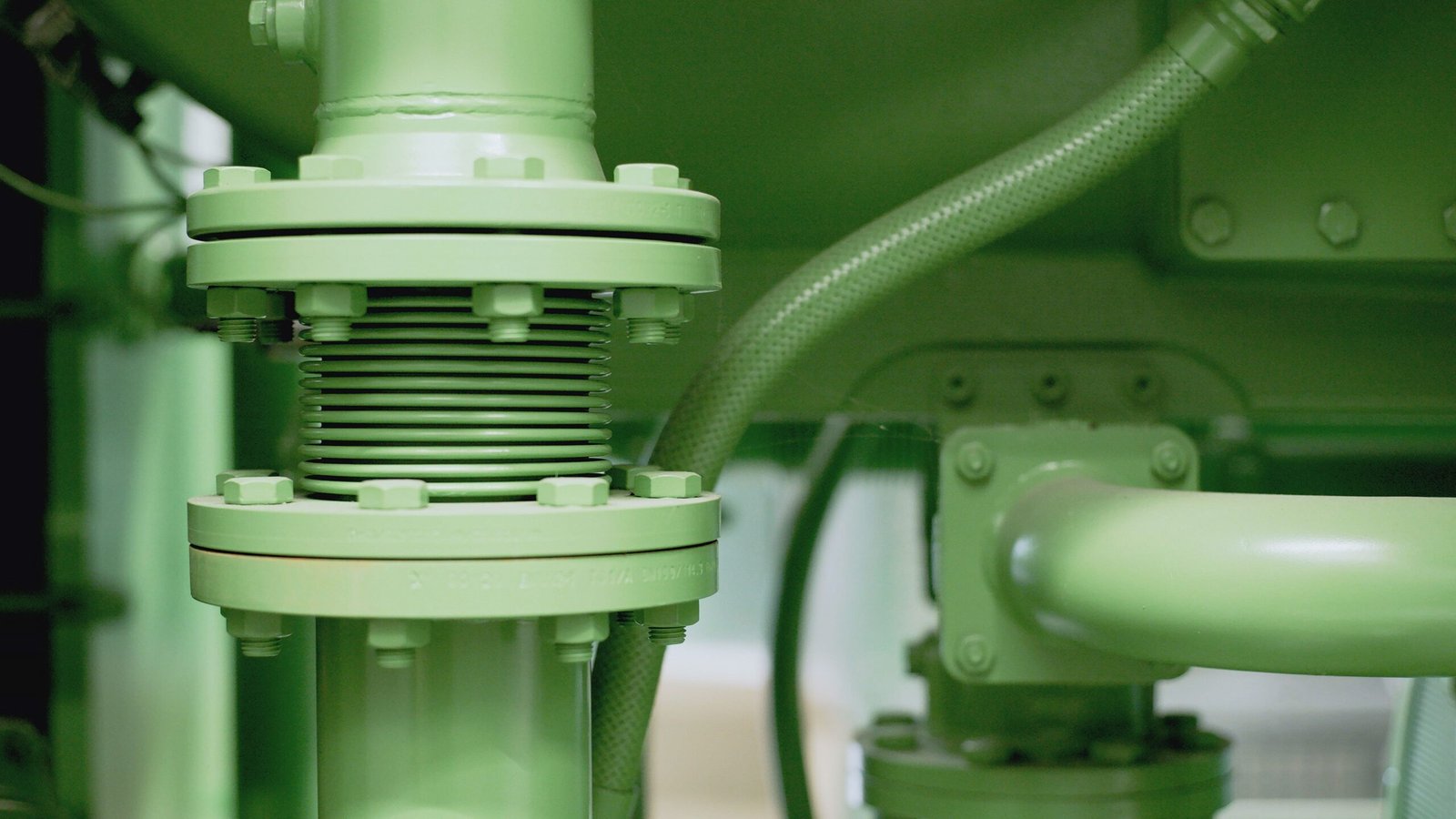 10. Heat Exchanger Maintenance Checklist for Plant Operators and Buyers
Use the following checklist to organize routine monitoring, investigate performance changes, or prepare for a cleaning or maintenance quotation.
Equipment Information
Heat exchanger type: gasketed plate, brazed plate, shell-and-tube, air-cooled, or another design.
Manufacturer and model.
Serial number or equipment identification number, if available.
Nameplate pressure and temperature limits.
Original design documents and operating instructions.
Plate, tube, frame, gasket, and brazing materials where known.
Operating Conditions
Fluid on each side.
Flow rate on each side.
Inlet and outlet temperatures.
Operating pressure and pressure drop.
Expected heat-transfer duty.
Fluid concentration and relevant physical properties.
Water quality, filtration, or coolant condition where applicable.
Changes in operating load or process conditions.
Maintenance History
Date of the last inspection or cleaning.
Previous cleaning methods and chemicals.
Previous leaks, corrosion, or mechanical damage.
Historical pressure-drop and temperature trends.
Parts previously replaced.
Description of deposits found during earlier service.
Service Requirements
Main problem: low duty, high pressure drop, leakage, contamination, or another issue.
Suspected deposit type.
Required inspection or cleaning method, if known.
Site access and isolation requirements.
Required shutdown window.
Replacement-part requirements.
Applicable safety and environmental procedures.
Required inspection, testing, and service documentation.
International Purchasing Requirements
Destination country.
Required delivery date.
Packaging and transportation requirements.
Spare-part identification and compatibility requirements.
Applicable documentation and regulatory requirements.
Whether the inquiry concerns maintenance coordination, spare parts, or a replacement heat exchanger.
Providing these details helps a supplier or engineering team assess the situation more efficiently and reduces the risk of recommending an unsuitable cleaning method or replacement component.
Frequently Asked Questions
1. How often should an industrial heat exchanger be cleaned?
An industrial heat exchanger should be cleaned when operating data, inspection findings, or manufacturer guidance indicate that cleaning is necessary. The interval depends on fluid cleanliness, deposit formation, equipment design, operating conditions, and the consequences of performance loss. Some units may require frequent cleaning, while others can operate much longer between cleaning events.
2. How often should a plate heat exchanger be serviced?
A plate heat exchanger should receive routine performance monitoring during operation and detailed inspection according to its operating risk and maintenance history. Cleaning or opening should be considered when pressure drop, thermal performance, leakage, or inspection findings indicate a problem. Gasketed and brazed plate exchangers require different service procedures.
3. What are the signs that a heat exchanger needs cleaning?
Common signs include declining heat-transfer capacity, increasing pressure drop, unexpected outlet temperatures, restricted flow, and recurring deposits. Leakage may indicate a mechanical or sealing problem rather than fouling. Check flow, control settings, filters, sensors, and fluid conditions before deciding that cleaning is required.
4. Can a heat exchanger operate without annual cleaning?
Yes, a heat exchanger can operate for more than a year without cleaning if its condition, performance, and operating history support that decision. However, the absence of an annual cleaning requirement does not remove the need for routine monitoring and appropriate inspection. Manufacturer instructions, plant risk assessments, and applicable maintenance requirements should guide the schedule.
5. Does a high pressure drop always mean that a heat exchanger is dirty?
No, a high pressure drop does not always mean that the exchanger is dirty. Deposits may restrict passages, but blocked strainers, valve restrictions, higher flow rates, changed fluid properties, or instrument problems can produce similar symptoms. Compare pressure drop under comparable operating conditions and investigate other possible causes before cleaning.
6. Can chemical cleaning damage a heat exchanger?
Yes, chemical cleaning can damage a heat exchanger if the cleaning agent or operating conditions are incompatible with its materials. Potential risks include corrosion of plates or tubes, gasket deterioration, damage to brazing alloys, and coating degradation. The cleaning chemistry and procedure should be checked against the equipment materials, deposit type, and manufacturer guidance.
7. Can a brazed plate heat exchanger be opened for cleaning?
A brazed plate heat exchanger is generally not designed to be opened for routine cleaning. Depending on the application, approved chemical flushing may be possible, but compatibility with the plates and brazing material must be confirmed. Severe blockage, internal damage, or leakage may require replacement rather than conventional dismantling and cleaning.
8. Is chemical cleaning better than mechanical cleaning?
Neither chemical cleaning nor mechanical cleaning is universally better. Chemical cleaning can remove deposits that respond to a compatible solution, while mechanical cleaning can be effective when the deposits are accessible and the equipment permits physical access. The correct choice depends on deposit composition, exchanger construction, materials, and safety requirements.
9. What is the difference between CIP cleaning and dismantling?
CIP cleaning circulates a cleaning fluid through the exchanger without opening it, provided the system supports effective and safe circulation. Dismantling allows direct inspection and access to internal surfaces in equipment designed to be opened. CIP can reduce disassembly requirements, but it does not guarantee complete deposit removal or eliminate the need for post-cleaning verification.
10. How can I reduce heat exchanger cleaning frequency?
You may be able to reduce cleaning frequency by improving fluid filtration, maintaining suitable water treatment, controlling contamination, and correcting operating conditions that encourage deposit formation. Monitoring pressure drop and thermal performance can also help identify problems early. The objective is to control the cause of fouling rather than repeatedly treating its symptoms.
11. Should I replace a heat exchanger instead of cleaning it?
Replacement should be considered when the exchanger is severely corroded, mechanically damaged, leaking in a way that cannot be acceptably repaired, or unable to meet the required duty. Cleaning is more appropriate when removable deposits are the main problem and the equipment remains structurally suitable. A technical and lifecycle-cost assessment can help determine the most appropriate option.
12. What information is needed for a heat exchanger maintenance quotation?
A useful inquiry should include the exchanger type and model, process fluids, operating temperatures and pressures, flow rates, pressure-drop readings, symptoms, previous cleaning history, and any known material information. Photographs, nameplate details, and original technical documents can also help. The service provider may need further information about access, isolation, hazards, testing, and disposal requirements.
13. Can a heat exchanger lose performance even when it is clean?
Yes, a clean heat exchanger can still underperform because of inadequate flow, incorrect control settings, bypass leakage, unsuitable equipment sizing, mechanical damage, or changes in process requirements. Cleaning cannot correct every thermal or hydraulic problem. Compare current operating conditions with the original design basis before selecting a corrective action.
14. What should be checked after heat exchanger cleaning?
After cleaning, inspect the equipment and replaced components, confirm correct reassembly, and complete the pressure or leak tests required by the applicable procedure. Verify that cleaning chemicals have been safely removed, recommission the equipment under controlled conditions, and check temperatures, flow, pressure drop, and leakage. Record the results for future maintenance planning.
15. Can an international heat exchanger supplier help with maintenance requirements?
Yes, an international heat exchanger supplier can help coordinate technical reviews, compatible spare parts, replacement equipment, and communication with qualified manufacturing partners or service providers. The exact support depends on the agreed scope. Buyers should confirm whether the supplier provides product sourcing and technical coordination or directly performs the cleaning work.
Need Help With Heat Exchanger Maintenance or Replacement?
The right maintenance interval depends on the exchanger design, operating conditions, fluid properties, and the cost of performance loss. Reviewing these factors before cleaning can help reduce unnecessary maintenance, avoid equipment damage, and improve long-term operating reliability.
We work closely with qualified manufacturing partners and engineering teams to provide product sourcing, technical coordination, customization, quality control, and international export support.
If you need compatible heat exchanger spare parts, a replacement unit, or assistance reviewing your equipment requirements, prepare the available operating data and maintenance history for a technical discussion.