Working Principle:
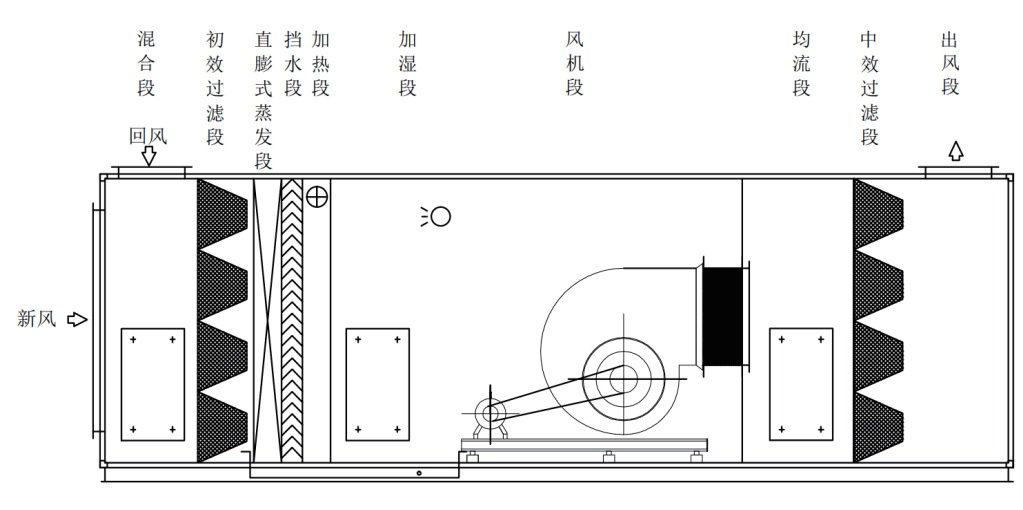
The working process of temperature and humidity controlled air conditioning is divided into the evaporation process, compression process, condensation process, and humidification process. The principles and descriptions of several important processes are as follows:
(1) Evaporation Process: The refrigerant liquid (mixed with saturated vapor) after throttling and pressure reduction enters the evaporator, absorbs heat from the surrounding medium, and evaporates into gas to achieve cooling. During the evaporation process, the temperature and pressure of the refrigerant remain unchanged. The refrigerant leaving the evaporator has become dry saturated vapor or slightly superheated vapor. When a substance changes from liquid to gas, it absorbs heat, which is why the evaporator in the refrigeration system is used for heat absorption and cooling.
(2) Compression Process: The compressor is the heart of the refrigeration system. It completes the suction and compression of the vapor, compressing the low-temperature, low-pressure refrigerant vapor leaving the evaporator into high-temperature, high-pressure superheated vapor. During the compression of the vapor, the compressor consumes a certain amount of external energy, namely compression work.
(3) Condensation Process: The high-temperature, high-pressure vapor discharged from the compressor enters the condenser and exchanges heat with the coolant, gradually turning the superheated vapor into saturated vapor, then into saturated liquid or subcooled liquid. During the condensation process, the pressure of the refrigerant remains unchanged. When a substance changes from gas to liquid, it releases heat, which is why the refrigeration system requires the condenser to dissipate heat. The condenser commonly uses air cooling or water cooling for heat dissipation.
(4) Humidification Process: The humidifier vaporizes the liquid and sprays it into the air inside the cabinet to increase humidity.
Unit Features:
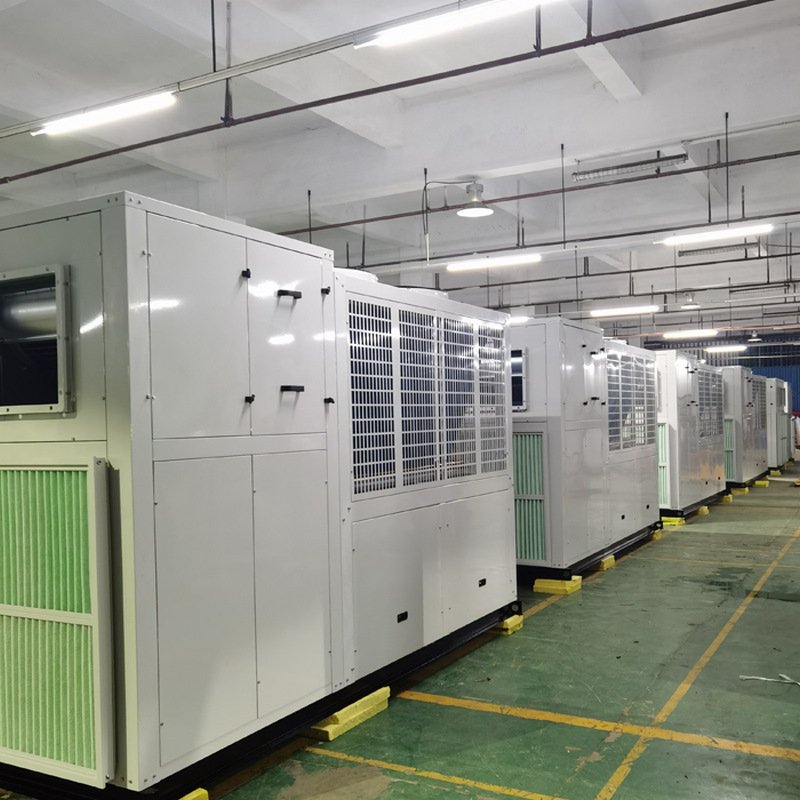
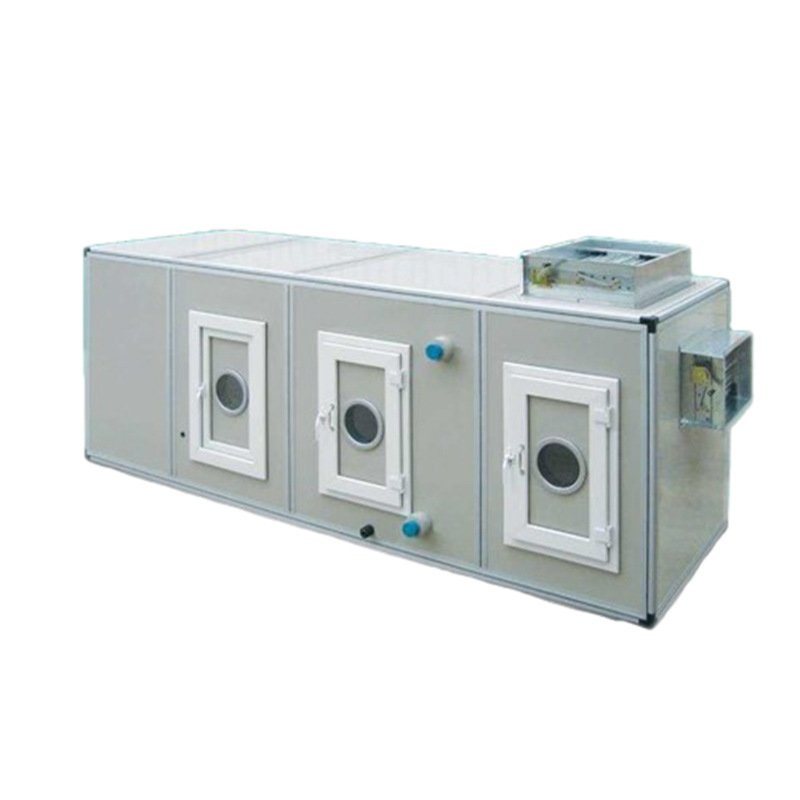
1. Available in air-cooled (HF series) and water-cooled (H series) types, with various specifications and a wide cooling capacity range.
2. Can provide electric heating, hot water heating, steam heating, and partial fresh air intake functions.
3. Optimized structure ensures good unit sealing, thermal insulation, and low air leakage.
4. Branded system components with stable performance.
5. Equipped with multiple stable protections.
6. Can provide special treatments such as explosion-proof.





Reviews
There are no reviews yet.