Distillation towers do not waste energy by accident. The reboiler usually decides the bill.
A reboiler supplies vapor to the column, controls bottom temperature, and sets the column’s hydraulic balance. Choose the wrong type, and you pay for it every day: high steam consumption, unstable operation, fouling, downtime, and off-spec product. Choose the right one, and the column runs steady, uses less energy, and stays online longer.
This guide covers reboiler selection for distillation tower energy savings, including thermosiphon vs kettle reboiler choices, fouling service, vacuum service, high viscosity fluids, and retrofit options.
Why Reboiler Selection Drives Energy Use
The reboiler is often the largest single heat load in a distillation system. Its duty depends on vapor load, reflux ratio, feed conditions, and product purity. But the reboiler type affects how efficiently that duty is delivered.
Key factors:
Temperature approach. A smaller approach can use lower-grade heat, but it needs more area. Too small an approach can cause unstable circulation.
Circulation ratio. Natural circulation reboilers depend on density difference. Poor circulation leads to high film temperature, fouling, and reduced heat transfer.
Pressure drop. In vacuum distillation, pressure drop across the reboiler can change boiling point and column performance.
Residence time. Long holdup can degrade heat-sensitive products.
Heat flux. Too high a flux causes film boiling, coking, and fouling. Too low a flux wastes area.
Fouling. Fouling reduces U-value. The control system compensates with more steam or higher temperature, which makes fouling worse.
Good reboiler selection balances thermal design, hydraulics, fouling, maintenance, and total cost of ownership.
Start With Process Data, Not Price
Before comparing reboiler types, collect reliable data:
Bottom product composition and boiling range
Operating pressure and temperature, especially vacuum
Required vapor fraction and circulation ratio
Viscosity, density, surface tension, and foaming tendency
Fouling, scaling, polymerization, and corrosion risk
Thermal sensitivity and maximum film temperature
Available heating medium: steam, hot oil, waste heat, or vapor recompression
Plot space, headroom, and cleaning access
Turndown and control requirements
Materials of construction
If this data is weak, the reboiler selection is a guess. Guesses lead to oversized steam systems, frequent cleaning, and poor column control.
Reboiler Types: Where Each One Fits
| Reboiler type | Best for | Avoid when | Energy and operation notes |
|---|---|---|---|
| Kettle reboiler | High vaporization, vacuum, wide boiling range, low pressure drop | High fouling, thermal degradation, tight plot space | Large vapor space and low pressure drop. High liquid holdup can increase degradation and cleaning difficulty. |
| Vertical thermosiphon | Clean to moderately clean fluids, low viscosity, moderate duty | High viscosity, heavy fouling, low load instability | Compact and economical. Natural circulation is sensitive to subcooling, piping, and pressure drop. |
| Horizontal thermosiphon | Larger duties, low process-side pressure drop | Poor two-phase distribution, fouling | Good for capacity, but shell-side two-phase flow must be checked carefully. |
| Forced circulation | Viscous, fouling, crystallizing, high vaporization | Low OPEX priority, clean low-fouling service | Pump ensures velocity. Higher pump cost, but often lower maintenance and longer run length. |
| Falling film | Heat-sensitive, viscous, vacuum, close temperature approach | Solids, fouling, poor distribution | Low residence time and low pressure drop. Requires excellent liquid distribution. |
| Plate / plate-and-shell | Clean fluids, compact space, close approach | High fouling, high solids | High efficiency and low holdup. Not a fouling solution. |
| Internal reboiler | Small columns, simple duty | Large duty, high maintenance access | Low cost in some cases, but limited capacity and harder maintenance. |
There is no universal best reboiler. The best reboiler is the one that matches the fluid, duty, utility, and maintenance strategy.
Thermosiphon vs Kettle Reboiler
This is one of the most common selection questions.
Choose a thermosiphon reboiler when the fluid is clean, viscosity is low, and the column can provide stable natural circulation. Vertical thermosiphon reboilers are compact and common. Horizontal thermosiphon reboilers can handle larger duties. Both need careful hydraulic design.
Choose a kettle reboiler when you need high vaporization, low pressure drop, or vacuum operation. Kettle reboilers tolerate wide boiling ranges and provide good vapor disengagement. But they hold more liquid, take more space, and can be harder to clean.
If fouling is the main problem, neither may be ideal. A forced circulation reboiler often wins because it maintains velocity and reduces deposition.
How to Reduce Reboiler Steam Consumption
Energy savings do not come from one trick. They come from correct selection and operation.
Optimize temperature approach. Use the smallest practical approach with the available heating medium. This can allow lower-pressure steam or waste heat recovery.
Recover waste heat. Use overhead vapor, condenser duty, hot process streams, or flue gas where temperature allows.
Consider vapor recompression. Mechanical vapor recompression or heat pump systems can cut external steam use in close-boiling separations.
Optimize column pressure. Lower pressure reduces reboiler temperature but affects condenser duty and vacuum cost. Evaluate the whole column.
Preheat feed. Use bottom product or another hot stream to reduce reboiler duty.
Control reflux ratio. Excess reflux increases reboiler duty. Optimize purity against energy.
Prevent fouling. Clean tubes, maintain velocity, use proper materials, and monitor pressure drop and U-value.
Fix steam traps and condensate recovery. Lost condensate and failed traps waste energy silently.
Avoid oversized reboilers. Oversizing can cause poor turndown, unstable boiling, and fouling.
Check control valves and instrumentation. Poor level, pressure, or temperature control creates energy swings.
A reboiler that is clean, stable, and correctly sized will almost always beat a larger but fouled reboiler.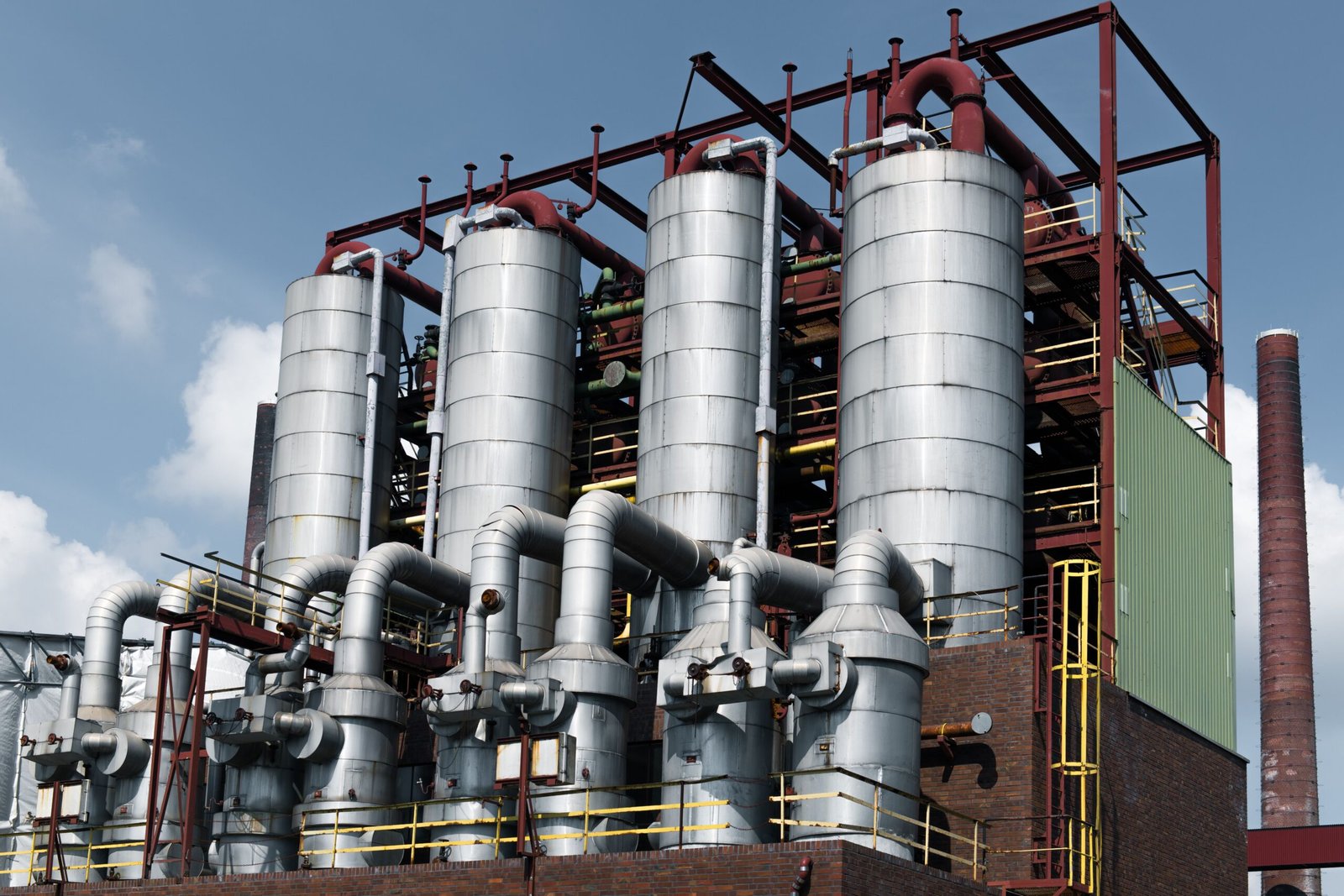
Common Pain Points and Practical Fixes
High steam consumption
Check fouling, air in the steam system, failed traps, excessive reflux, high column pressure, and temperature approach. Clean the reboiler and verify U-value.
Fouling and plugging
Use forced circulation, higher tube velocity, removable bundles, and appropriate surface finish. Avoid falling film if solids are present. Add cleaning access.
Vacuum distillation problems
Minimize pressure drop. Kettle and falling film reboilers are often better than high-pressure-drop designs. Check vapor line sizing and condenser performance.
High viscosity
Forced circulation or falling film reboilers usually outperform natural circulation. Heat transfer can drop sharply if viscosity rises at the wall.
Thermal degradation
Use low residence time, low film temperature, and falling film or forced circulation. Avoid high holdup kettle designs for heat-sensitive products.
Unstable circulation
Check static head, subcooling, piping layout, and control. Vertical thermosiphon reboilers are sensitive to low load and improper piping.
Foaming and entrainment
Provide enough vapor space. Reduce heat flux. Check antifoam options and column internals.
Reboiler Selection Workflow
Define duty and vapor load. Confirm mass balance, reflux, and product specs.
Screen type. Match fouling, viscosity, thermal sensitivity, vacuum, and plot space.
Check hydraulics. Circulation ratio, pressure drop, vapor space, and piping.
Perform thermal design. U-value, heat flux, area, approach, and fouling factor.
Review mechanical design. Materials, expansion, cleaning, and maintenance access.
Design controls. Level, temperature, pressure, flow, and relief protection.
Compare total cost. CAPEX, energy, maintenance, downtime, and run length.
Consider retrofit options. New bundle, added forced circulation, plate-and-shell, or additional reboiler.
FAQ
What is the best reboiler for energy efficiency?
It depends on the service. Falling film and plate reboilers offer close approach and low holdup. Forced circulation handles fouling but uses pump power. Thermosiphon reboilers are efficient when clean and hydraulically stable.
How can I reduce reboiler steam consumption quickly?
Clean the heat transfer surface, fix steam traps, recover condensate, reduce excess reflux, and verify control tuning. These often deliver fast savings.
When should I choose forced circulation over thermosiphon?
Choose forced circulation for viscous, fouling, crystallizing, or high-vaporization services. Choose thermosiphon for clean, low-viscosity fluids with stable circulation.
What causes reboiler fouling?
High film temperature, low velocity, polymerization, scaling, corrosion products, and suspended solids. Correct selection and operation reduce fouling.
Can a reboiler be retrofitted to save energy?
Yes. Common upgrades include high-efficiency tubes, larger bundle, forced circulation, plate-and-shell design, waste heat recovery, and better control.
Bottom Line
Reboiler selection is not just a heat exchanger decision. It is a distillation tower energy decision. The right reboiler lowers steam use, improves column stability, reduces fouling, and protects product quality.
If you are selecting a reboiler or revamping an existing distillation tower, start with accurate process data. Compare thermosiphon, kettle, forced circulation, and falling film options against fouling, viscosity, vacuum, and turndown. Then optimize the temperature approach, heat integration, and control strategy.
That is how you turn a reboiler from an energy drain into a reliable, efficient part of the column.