High-temperature heat recovery is where many heat exchangers fail.
Metal tubes warp. Plates crack. Seals leak. Fouling turns a clean design into a maintenance problem. A recuperative unit that works at 300°C may not survive at 900°C.
Regenerative heat exchangers solve a different problem. They store heat in a thermal mass, then release it to the cold stream. That store-then-release principle makes them a strong fit for high-temperature gas-to-gas duties — but not for every high-temperature job.
Here is where they belong, where they do not, and how to choose.
Quick answer
Regenerative heat exchangers are best for:
Gas-to-gas heat recovery
High temperatures, typically 400°C to 1,200°C+, depending on material
Large volumetric flows
Duties where a small amount of carryover or leakage is acceptable or can be managed
Space-constrained plants that need high effectiveness
They are common in power plant air preheaters, glass furnaces, steel plants, incinerators, coke ovens, blast furnace stoves, and regenerative thermal oxidizers.
They are usually a poor fit for high-pressure liquid-liquid duty, strict zero cross-contamination, or small low-temperature jobs.
What makes a duty “high-temperature” for a regenerative exchanger?
Temperature alone is not the deciding factor. Look at the whole duty.
1. Gas-to-gas heat recovery
Regenerative units shine when both sides are gas. Flue gas heats combustion air. Waste gas heats process air. The thermal mass moves heat from one gas stream to the other.
2. Inlet temperatures above practical recuperative limits
A metallic recuperator may be limited by oxidation, creep, or thermal stress. Ceramic or high-alloy regenerative matrices can handle higher temperatures.
3. Large flow rates
When gas volumes are huge, a regenerative unit can be more compact than a tubular recuperator. That matters in power plants, glass furnaces, and steel plants.
4. High effectiveness requirements
If you need to recover a large share of the heat, regenerative designs can deliver high effectiveness without a massive surface area.
5. Dirty or dusty gas
Regenerative units can handle some dirty streams, but plugging is a real risk. If the matrix cannot be cleaned or purged, performance drops.
6. Leakage or carryover is acceptable
Rotary regenerators have seals. Switching regenerators have valves. Some leakage or carryover is normal. If the process cannot tolerate it, use a different design or add a purge sector.
High-temperature applications that fit regenerative heat exchangers
Power plant air preheaters
This is the most common example. A rotary regenerative air preheater recovers heat from boiler flue gas and transfers it to combustion air. The boiler uses less fuel because the air enters hotter. Boiler efficiency improves.
Flue gas temperatures at the air preheater inlet are often in the 300–400°C range, but the duty is still a strong fit because flows are large, the unit must be compact, and gas-to-gas heat recovery is the goal. If leakage is unacceptable, a tubular recuperative air preheater may be preferred.
Glass melting furnaces
Glass furnaces use regenerators or checkers to preheat combustion air to very high temperatures. The flue gas is hot and carries dust and volatiles. The regenerative mass absorbs heat, then gives it back to the incoming air. This cuts fuel use and improves flame temperature.
Steel and metallurgy
Blast furnace stoves preheat blast air to high temperatures. Coke ovens, soaking pits, and annealing furnaces also use regenerative heat recovery. The duties are hot, cyclic, and often dirty. The key is managing thermal cycling and carryover.
Incinerators and thermal oxidizers
Regenerative thermal oxidizers (RTOs) use ceramic media to preheat incoming waste gas. The gas is oxidized at high temperature, then the clean gas heats the media on the way out. That stored heat preheats the next incoming stream. Fuel use drops sharply.
Cement and lime kilns
High-temperature flue gas can preheat combustion air or process gas. Regenerative designs may fit where dust loading is controlled and the matrix can be cleaned.
Aluminum melting and reverb furnaces
Flue gas from melting furnaces is hot and carries fumes. Regenerative burners and regenerators recover heat to preheat combustion air. This reduces fuel consumption per ton of metal.
Chemical and petrochemical furnaces
Steam reformers, cracking furnaces, and other high-temperature process furnaces can use regenerative heat recovery when gas-to-gas exchange is needed and cross-contamination is acceptable or manageable.
Where regenerative heat exchangers are a poor fit
High-pressure liquid-liquid duty
Regenerative units are not the first choice for high-pressure liquids. Shell-and-tube or plate heat exchangers are usually better.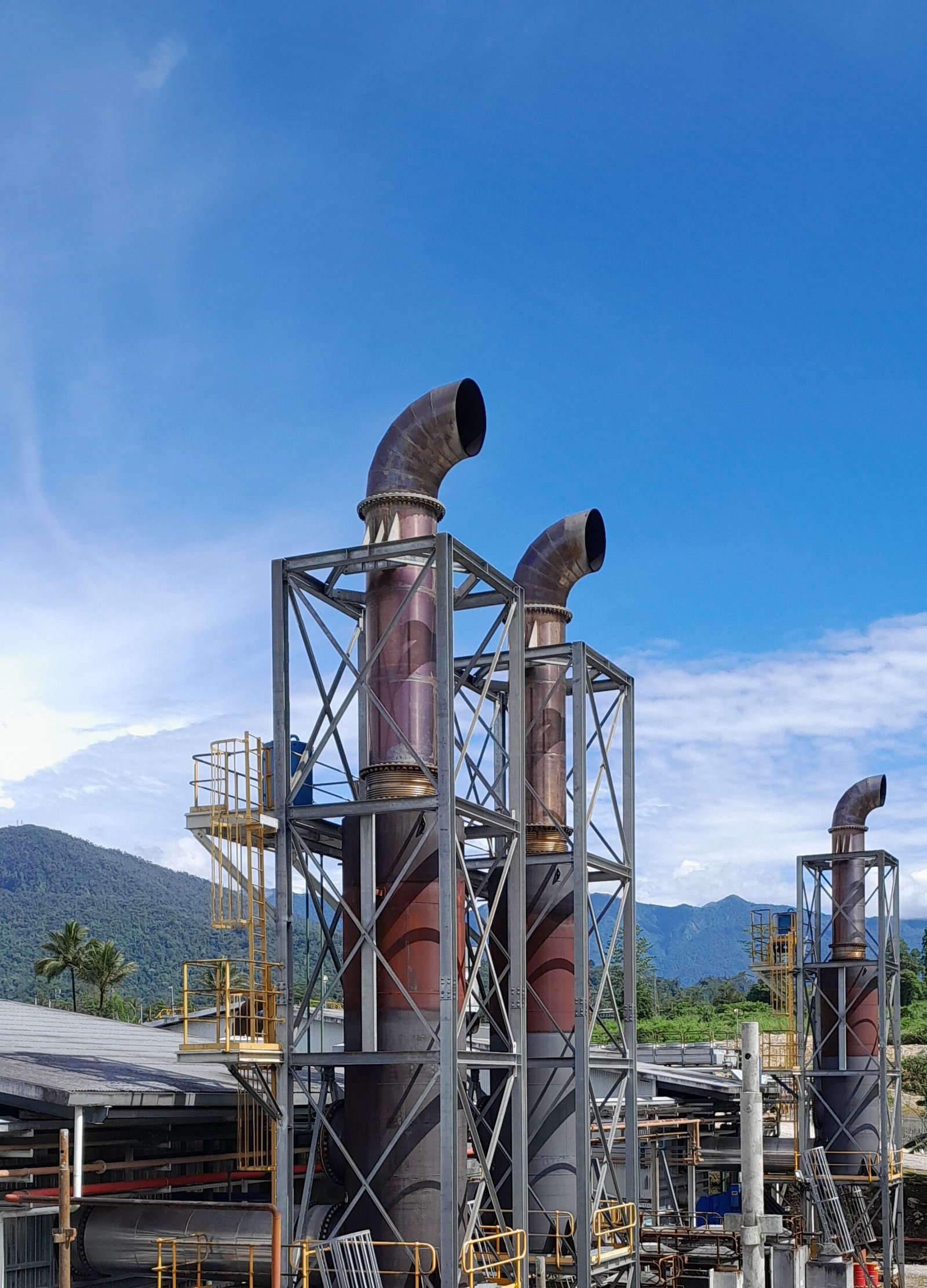
Strict zero cross-contamination
If even a small leak is unacceptable, a rotary regenerator may be ruled out. A double-wall recuperator or an intermediate loop is safer.
Small, low-temperature jobs
If the duty is small and the temperature is low, a compact plate or shell-and-tube unit is simpler and cheaper.
Sticky fouling that cannot be cleaned
If the matrix plugs and cannot be purged, washed, or replaced easily, the unit will lose performance and pressure drop will rise.
Very low pressure drop limits
Regenerative units have pressure drop across the matrix. If the fan budget is tight, check the numbers early.
Frequent, fast cycling with strict control
Switching regenerators can handle cycling, but valves, controls, and purge systems add complexity.
Rotary vs switching regenerative designs
| Design | How it works | Best for | Watch for |
|---|---|---|---|
| Rotary regenerator | Matrix rotates between hot and cold gas streams | Continuous high-flow gas-gas duty, power plant air preheaters | Seal leakage, carryover, maintenance |
| Switching regenerator | Fixed beds alternate flow with valves | High-temperature processes, glass furnaces, RTOs | Valve reliability, cycling, purge control |
Rotary units are compact and continuous. Switching units can handle higher temperatures and dirtier streams if the valves and purge system are designed correctly.
Material selection matters
At high temperature, material choice decides life.
Metal matrix: Good for moderate high temperatures and clean gas. Lower cost. Limited by oxidation and creep.
Ceramic matrix: Better for very high temperatures and thermal cycling. Resists corrosion in some streams. Can be brittle and sensitive to plugging.
High-alloy steel: Used for seals, housings, and internals. Needed when corrosion and temperature are both high.
Check acid dew point, salt formation, and condensable vapors. A stream that is dry at the inlet may condense on the cold side and corrode the matrix or ductwork.
Selection checklist for high-temperature duty
Inlet and outlet temperatures on both streams.
Flow rates and allowable pressure drop.
Gas composition, including dust, moisture, acids, and condensables.
Maximum allowable leakage or carryover.
Space and weight limits.
Turndown and cycling — will the plant run at steady load or swing?
Cleaning method — purge, soot blowing, water wash, or matrix replacement.
Material limits for the matrix, seals, and housing.
Maintenance access for seals, valves, and matrix modules.
True payback — fuel savings minus fan power, maintenance, and downtime.

Common mistakes
Choosing a regenerative unit when zero cross-contamination is required.
Ignoring acid dew point and cold-end corrosion.
Underestimating seal leakage in rotary units.
Letting dust plug the matrix.
Selecting on purchase price instead of total cost.
Forgetting pressure drop and fan power.
Skipping a proper data sheet and letting the supplier guess.
FAQ
What temperature range suits regenerative heat exchangers?
Many metal-matrix units work from about 400°C upward. Ceramic regenerators can handle 1,000°C to 1,200°C+ depending on the gas and material. The exact limit depends on corrosion, dust, and cycling.
Are regenerative heat exchangers good for flue gas?
Yes, when the duty is gas-to-gas, flows are large, and some leakage or carryover is acceptable. They are common in power plant air preheaters and industrial furnace heat recovery.
Can a regenerative heat exchanger handle dirty gas?
It can, but plugging is the main risk. You need a cleaning method, proper matrix geometry, and a realistic pressure drop allowance.
What is the main disadvantage?
Leakage and carryover. Rotary units have seals. Switching units have valves. If the process cannot tolerate mixing, choose a recuperative design.
Is a regenerative air preheater the same as a recuperative air preheater?
No. A regenerative air preheater stores heat in a rotating mass. A recuperative air preheater transfers heat through a solid wall, usually tubes, without mixing the streams.
When should I choose recuperative instead?
When the fluids must not mix, when pressure is high, when the duty is small, or when leakage cannot be tolerated.