A waste heat boiler (WHB) recovers heat from high-temperature exhaust gas or process gas and converts it into useful steam or hot water, reducing fuel consumption and improving overall process efficiency. Unlike a conventional fired boiler, a waste heat boiler uses an existing hot gas stream as its primary heat source.
The key to a reliable WHB is not simply maximizing heat recovery. Engineers must balance gas temperature, gas flow rate, steam pressure, heat-transfer area, allowable pressure drop, fouling, corrosion, material selection, water quality, safety requirements, maintenance access, and project economics.
This guide explains how a waste heat boiler works, which WHB configuration is appropriate for different applications, how to perform preliminary sizing, and what procurement teams should verify before ordering.
Table of Contents
- Quick Answer: What Is a Waste Heat Boiler?
- How Does a Waste Heat Boiler Work?
- What Are the Main Types of Waste Heat Boilers?
- How Is Waste Heat Boiler Capacity Calculated?
- How Do Pressure Drop, Fouling, Temperature, and Materials Affect Selection?
- How to Select and Size a Waste Heat Boiler Step by Step
- How Much Does a Waste Heat Boiler Cost and How Long Does It Take to Manufacture?
- How Should a Waste Heat Boiler Be Maintained?
- Common Mistakes in Waste Heat Boiler Projects
- Waste Heat Boiler Selection Checklist
- FAQ
- Key Takeaways
Quick Answer: What Is a Waste Heat Boiler?
A waste heat boiler is a heat-recovery boiler that uses hot exhaust or process gas to generate steam or hot water without relying primarily on a fuel-fired burner.
A simplified process is:
Hot process gas → heat-transfer surfaces → water/steam → useful steam or hot water
Typical heat sources include:
- Gas turbines
- Industrial furnaces
- Cement kilns
- Steel and metallurgical processes
- Chemical plants
- Refineries
- Incineration systems
- Glass furnaces
- Engine exhaust
- Hydrogen and syngas processes
Waste Heat Boiler vs Conventional Boiler
| Parameter | Waste Heat Boiler | Fired Boiler |
|---|---|---|
| Primary heat source | Waste/process gas | Fuel combustion |
| Main purpose | Recover existing heat | Generate heat by combustion |
| Fuel consumption | Little or none for heat generation | Required |
| Exhaust gas source | External process | Internal combustion |
| Burner | Normally not the primary heat source | Required |
| Steam generation | Yes | Yes |
| Gas composition | Process-dependent | Combustion products |
| Fouling risk | Can be high | Application-dependent |
| Process integration | Critical | Usually less dependent on upstream process |
A WHB can therefore reduce the fuel required elsewhere in a plant, but its economic value depends strongly on the temperature and stability of the available waste heat.
How Does a Waste Heat Boiler Work?
A waste heat boiler transfers thermal energy from a hot gas stream through boiler heat-transfer surfaces to water, producing steam or hot water for a useful process.
Basic Operating Principle
The hot gas enters the waste heat boiler at a high temperature.
Heat passes through tubes or other heat-transfer surfaces into the water/steam circuit.
The gas leaves at a lower temperature after releasing part of its thermal energy.
The basic energy balance is:
Qgas ≈ Qsteam + heat losses
For the water/steam side:
Q = ṁsteam × (hout − hin)
Where:
- Q = useful heat transferred
- ṁsteam = steam mass flow rate
- hout = outlet steam enthalpy
- hin = inlet water/steam enthalpy
For preliminary gas-side calculations:
Q ≈ ṁgas × Cp,gas × (Tgas,in − Tgas,out)
The actual design requires thermodynamic properties, phase-change calculations, pressure losses, radiation, heat losses, and operating conditions.
Main Components
A waste heat boiler may include:
- Economizer
- Evaporator
- Steam drum
- Superheater
- Boiler tubes
- Tube headers
- Gas inlet/outlet
- Gas-side casing
- Insulation
- Safety valves
- Level-control system
- Feedwater system
- Blowdown system
- Instrumentation
- Soot-blowing or cleaning system where required
Not every WHB contains all of these components.
What Happens Inside the Heat-Transfer Surfaces?
A typical steam-generating WHB can contain several heat-recovery sections.
Economizer
The economizer preheats feedwater using relatively lower-temperature waste gas.
This increases overall heat recovery and reduces the heat required in the evaporation section.
Evaporator
The evaporator transfers heat to water until it becomes saturated steam or a steam-water mixture.
Superheater
Where required, the superheater raises saturated steam to a higher temperature.
This can be useful for process steam or power-generation applications.
What Are the Main Types of Waste Heat Boilers?
Waste heat boilers can be classified by gas flow arrangement, circulation method, heat-source characteristics, and steam-generation configuration.
Fire-Tube and Water-Tube Concepts
| Feature | Fire-Tube Type | Water-Tube Type |
|---|---|---|
| Hot gas | Inside tubes | Outside tubes |
| Water/steam | Outside tubes | Inside tubes |
| Typical application | Lower pressure/smaller duties | Higher pressure/larger industrial duties |
| Thermal response | Generally slower | Generally faster |
| High-pressure suitability | More limited | Strong |
| Common industrial use | Selected applications | Large process WHB systems |
| Maintenance | Depends on design | Requires tube inspection and water-side management |
For many industrial waste heat recovery applications, water-tube construction is attractive because it can accommodate high-pressure steam generation and large heat duties.
Natural Circulation vs Forced Circulation
A natural-circulation WHB uses density differences between hot and cooler water/steam mixtures to drive circulation.
A forced-circulation system uses pumps.
| Parameter | Natural Circulation | Forced Circulation |
|---|---|---|
| Driving force | Density difference | Pump |
| Auxiliary power | Lower | Higher |
| Mechanical complexity | Lower | Higher |
| Pump dependency | No circulation pump required | Required |
| Control flexibility | Moderate | Higher |
| Application | Many conventional boiler designs | Special thermal/hydraulic conditions |
Heat Source Classification
Waste heat boilers are also selected according to the heat source.
Examples include:
- Gas turbine exhaust
- Engine exhaust
- Furnace exhaust
- Kiln gas
- Chemical process gas
- Incinerator gas
- Coke oven gas
- Metallurgical gas
The gas composition is extremely important because it affects:
- Corrosion
- Fouling
- Tube material
- Cleaning method
- Minimum outlet temperature
- Heat-transfer performance
How Is Waste Heat Boiler Capacity Calculated?
Waste heat boiler capacity is determined by the available waste-gas heat, required steam or hot-water duty, allowable gas outlet temperature, steam conditions, and heat-transfer performance.
Gas-Side Heat Balance
For a single-phase gas stream:
Q = ṁgas × Cp × (Tin − Tout)
For example, if:
- Gas flow = 50,000 kg/h
- Average Cp = 1.1 kJ/kg·K
- Gas inlet temperature = 500°C
- Gas outlet temperature = 250°C
Then the theoretical sensible heat available is:
Q = 50,000 × 1.1 × (500 − 250)
Q = 13,750,000 kJ/h
Converting to kW:
Q ≈ 3,819 kW
This is a preliminary heat-availability calculation, not the final boiler capacity.
Actual recoverable heat will depend on:
- Minimum allowable gas temperature
- Heat losses
- Steam pressure
- Feedwater temperature
- Pinch/approach conditions
- Fouling
- Pressure drop
- Heat-transfer area
Steam-Side Calculation
For steam generation:
Q = ṁsteam × (hsteam − hfeedwater)
Therefore:
ṁsteam = Q / (hsteam − hfeedwater)
Steam-table or validated property data should be used for final calculations.
Why Cannot You Simply Cool the Gas as Much as Possible?
Because the minimum gas outlet temperature may be limited by:
- Acid dew point
- Corrosion
- Condensation
- Fouling
- Process requirements
- Downstream equipment
- Gas-side pressure drop
Cooling the gas below the appropriate temperature can increase theoretical heat recovery while reducing equipment reliability.
How Do Pressure Drop, Fouling, Temperature, and Materials Affect Selection?
A waste heat boiler must be designed as a balance between heat recovery and gas-side pressure loss, while controlling corrosion, fouling, thermal stress, and water-side reliability.
Gas-Side Pressure Drop
Pressure drop is one of the most important WHB design constraints.
Excessive gas-side pressure drop can:
- Reduce upstream process performance
- Increase fan power
- Affect furnace pressure
- Reduce gas flow
- Increase operating cost
The allowable pressure drop should therefore be specified before detailed design.
Temperature Approach and Pinch
For heat recovery boilers, temperature approach and pinch conditions strongly influence the required heat-transfer area.
A smaller temperature difference between the hot gas and water/steam side generally means:
- More heat-transfer area
- Larger equipment
- Higher capital cost
- Potentially higher heat recovery
The optimal design balances additional recovery against equipment cost.
Fouling
Fouling is a major issue when process gas contains:
- Dust
- Ash
- Sulfur compounds
- Oil
- Condensable compounds
- Metal oxides
- Chemical particulates
Fouling creates thermal resistance and increases pressure drop.
A simplified overall thermal relationship is:
1/U = 1/hgas + Rf,gas + Rwall + Rf,water + 1/hwater
Where:
- U = overall heat-transfer coefficient
- hgas = gas-side heat-transfer coefficient
- Rf = fouling resistance
- Rwall = tube-wall thermal resistance
- hwater = water-side heat-transfer coefficient
Gas-side heat transfer is often significantly weaker than liquid-side heat transfer, making gas-side design particularly important.
Material Selection
Material selection should consider:
- Gas composition
- Operating temperature
- Steam pressure
- Water chemistry
- Chlorides
- Sulfur compounds
- Acid dew point
- Thermal cycling
- Corrosion mechanisms
Possible materials may include:
- Carbon steel
- Low-alloy steel
- Stainless steel
- Heat-resistant alloys
- Specialized corrosion-resistant materials
The correct material depends on the actual operating environment rather than simply the maximum temperature.
Water Quality
Water-side chemistry is equally important.
Poor feedwater quality can cause:
- Scale
- Corrosion
- Tube overheating
- Reduced heat transfer
- Carryover
- Shortened equipment life
A waste heat boiler therefore requires appropriate feedwater treatment and water-quality control.
How to Select and Size a Waste Heat Boiler Step by Step
The correct WHB selection starts with measured process-gas data and steam requirements, then progresses through thermal, hydraulic, material, mechanical, and economic evaluation.
Step 1: Define the Waste Gas
Collect:
- Gas flow rate
- Minimum/normal/maximum flow
- Gas inlet temperature
- Gas outlet temperature target
- Gas composition
- Dust concentration
- Moisture content
- Corrosive components
- Operating pressure
- Operating hours
Step 2: Define the Steam or Hot-Water Requirement
Specify:
- Steam flow
- Steam pressure
- Steam temperature
- Feedwater temperature
- Saturated or superheated steam requirement
- Operating pressure range
- Minimum and maximum load
Step 3: Calculate Available Heat
Use:
Qgas = ṁgas × Cp × ΔT
Then determine how much of that heat can realistically be transferred.
Step 4: Establish the Gas Outlet Temperature
Do not choose the outlet temperature based solely on maximum heat recovery.
Check:
- Acid dew point
- Corrosion
- Condensation
- Downstream equipment
- Fouling
- Process requirements
Step 5: Select Boiler Configuration
Determine whether the application requires:
- Economizer
- Evaporator
- Superheater
- Steam drum
- Natural circulation
- Forced circulation
- Single-pass or multi-pass gas flow
Step 6: Calculate Heat-Transfer Area
The basic relationship is:
Q = U × A × ΔTlm
Where:
- Q = heat duty
- U = overall heat-transfer coefficient
- A = heat-transfer area
- ΔTlm = logarithmic mean temperature difference
The final design should account for fouling and actual gas-side heat-transfer behavior.
Step 7: Check Gas-Side Pressure Drop
Verify that the boiler does not exceed the process’s allowable pressure loss.
Include:
- Tube-bank resistance
- Gas turns
- Ducting
- Dampers
- Expansion sections
- Dust-collection equipment
Step 8: Check Water-Side Hydraulic Conditions
Evaluate:
- Circulation
- Feedwater flow
- Steam generation
- Pressure loss
- Pump requirements
- Drum level control
Step 9: Select Materials
Confirm:
- Tube material
- Header material
- Drum material
- Casing material
- Insulation
- Gaskets
- Valves
Materials should be selected against actual process chemistry and pressure-temperature conditions.
Step 10: Design Cleaning and Maintenance
Determine:
- Soot blowing
- Online cleaning
- Offline cleaning
- Access doors
- Tube inspection
- Drainage
- Venting
- Replacement access
Step 11: Evaluate Economics
Compare:
Recovered energy value − operating costs − maintenance costs
against:
Equipment + installation + engineering + commissioning cost
Step 12: Confirm Certification and Inspection
Depending on the jurisdiction and application, requirements may include:
- Pressure equipment compliance
- Material certificates
- Welding procedures
- Welder qualifications
- Non-destructive testing
- Hydrostatic testing
- Factory inspection
- Third-party inspection
- Electrical/control documentation
- Industry-specific classification
Requirements should be confirmed before fabrication.
How Much Does a Waste Heat Boiler Cost and How Long Does It Take to Manufacture?
Waste heat boiler cost and lead time depend heavily on heat duty, steam conditions, materials, pressure rating, gas cleanliness, certification, and customization.
Major Cost Factors
| Cost Factor | Why It Matters |
|---|---|
| Heat-transfer area | Larger duty generally requires more tube surface |
| Steam pressure | Higher pressure increases mechanical requirements |
| Gas temperature | May require special materials |
| Gas composition | Corrosive gases can increase material cost |
| Fouling | Cleaning systems may be required |
| Gas-side pressure drop | May require larger flow passages |
| Boiler drum | Adds fabrication and inspection requirements |
| Superheater | Adds heat-transfer area and controls |
| Economizer | Increases recovery but adds cost |
| Insulation | Reduces heat loss |
| Instrumentation | Required for safe operation and control |
| Certification | Testing and documentation add time and cost |
| Site installation | Can be significant for large WHB systems |
Lead Time Factors
Longer lead times can result from:
- Custom engineering
- Large tube bundles
- Special alloys
- Pressure-vessel fabrication
- Complex welding
- Third-party inspection
- Special documentation
- Large-scale testing
- Export packaging
- Project-specific controls
For procurement planning, the lead time should cover:
Engineering → material procurement → fabrication → inspection/testing → documentation → packing → shipment
The exact schedule should be confirmed from the project specification and final drawings rather than estimated from equipment type alone.
How Should a Waste Heat Boiler Be Maintained?
Preventive maintenance should focus on heat-transfer performance, tube integrity, gas-side fouling, water chemistry, pressure parts, and safety controls.
Gas-Side Maintenance
Inspect for:
- Dust accumulation
- Ash deposits
- Corrosion
- Tube-bank blockage
- Gas leakage
- Casing damage
- Insulation deterioration
Monitor gas pressure drop.
A gradual increase in pressure drop can indicate fouling or blockage.
Water-Side Maintenance
Monitor:
- Feedwater quality
- Boiler-water chemistry
- Steam purity
- Drum level
- Pressure
- Tube-wall condition
- Blowdown
Water treatment is not optional for reliable boiler operation.
Tube Inspection
Depending on the application, inspection may include:
- Visual inspection
- Thickness measurement
- Eddy-current testing
- Ultrasonic testing
- Other appropriate NDT methods
The exact inspection program should be based on equipment design, operating conditions, applicable codes, and plant procedures.
Performance Monitoring
Useful operating indicators include:
- Gas inlet temperature
- Gas outlet temperature
- Gas flow
- Gas-side pressure drop
- Steam flow
- Steam pressure
- Feedwater temperature
- Feedwater flow
- Boiler-water chemistry
A declining heat-recovery rate at similar operating conditions can indicate fouling or equipment deterioration.
 Common Mistakes in Waste Heat Boiler Projects
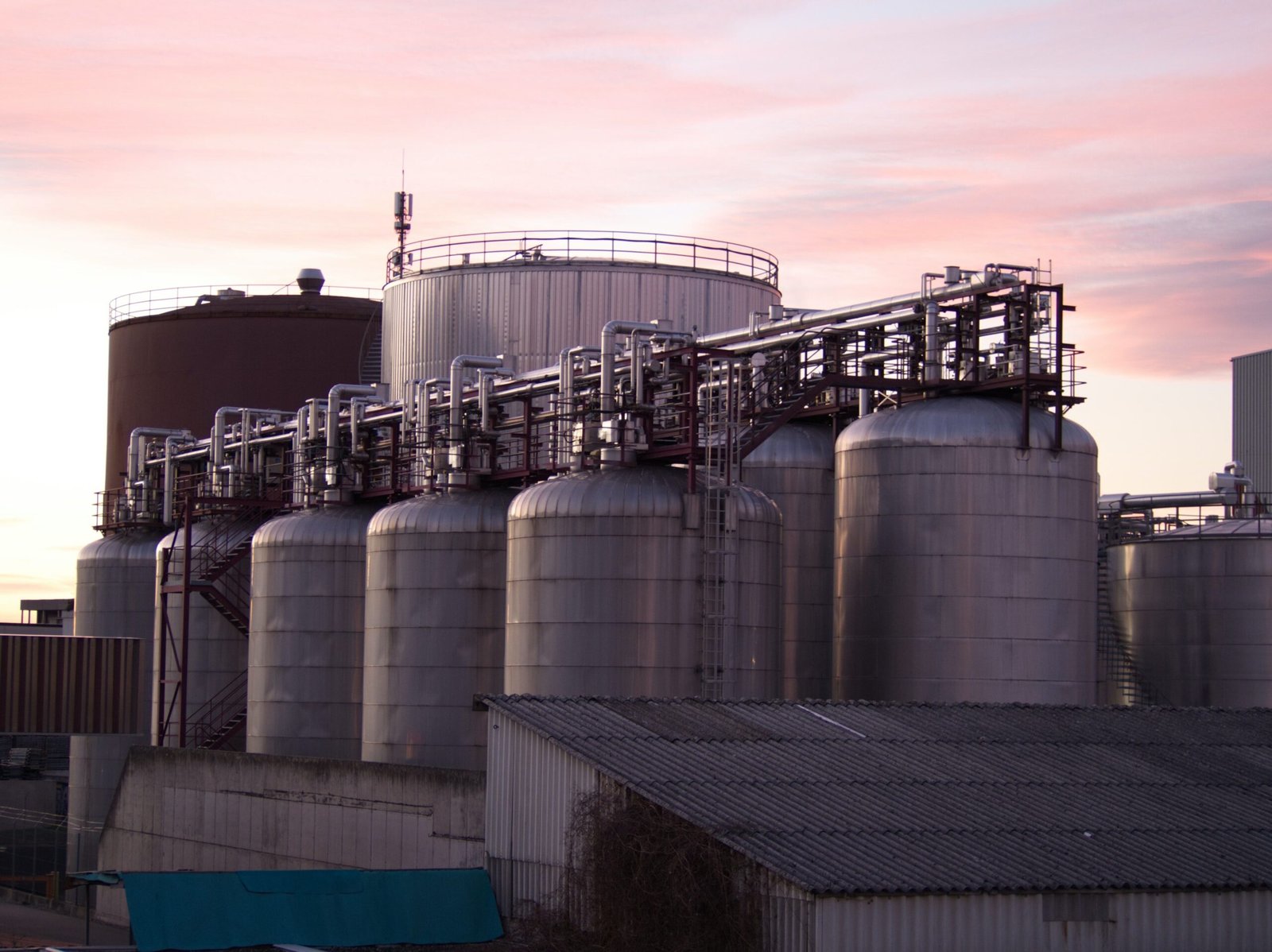 Common Mistakes in Waste Heat Boiler Projects
Most WHB problems originate from incomplete process data, excessive pressure drop, poor fouling assumptions, inappropriate materials, or insufficient attention to water and steam-side conditions.
Mistake 1: Designing From Average Gas Temperature Only
Waste gas temperatures may fluctuate substantially.
Solution: provide minimum, normal, and maximum operating conditions.
Mistake 2: Maximizing Heat Recovery Without Considering Dew Point
Cooling process gas too far can cause condensation and corrosion.
Solution: evaluate acid dew point and downstream process requirements before setting the gas outlet temperature.
Mistake 3: Ignoring Gas-Side Pressure Drop
A thermally efficient design can still damage process performance if pressure loss is excessive.
Solution: define the allowable pressure drop at the beginning of the design.
Mistake 4: Underestimating Fouling
Dirty gas can quickly reduce heat-transfer performance.
Solution: obtain actual dust and contaminant data and provide suitable cleaning provisions.
Mistake 5: Selecting Materials Only by Temperature
Corrosion depends on chemistry, not temperature alone.
Solution: evaluate sulfur, chlorides, moisture, acid dew point, and other contaminants.
Mistake 6: Ignoring Water Chemistry
Poor feedwater can cause scaling and corrosion even when the gas-side design is correct.
Solution: define feedwater quality and water-treatment requirements.
Mistake 7: Oversizing Without Economic Analysis
More heat-transfer area does not always produce the best investment.
Solution: compare incremental energy recovery with additional equipment cost.
Mistake 8: Insufficient Maintenance Access
Tube cleaning and inspection can become difficult if access is not considered during layout.
Solution: review maintenance and replacement procedures before finalizing the design.
Mistake 9: Treating a WHB as an Isolated Equipment Item
A WHB affects upstream and downstream process equipment.
Solution: evaluate the complete system, including gas ducts, fans, dampers, steam system, feedwater, controls, and safety devices.
Mistake 10: Confirming Certification Too Late
Pressure equipment documentation can affect materials, welding, testing, and manufacturing.
Solution: define applicable codes and inspection requirements before fabrication.
Waste Heat Boiler Selection Checklist
Use this checklist before requesting a waste heat boiler quotation or approving the final design.
Waste Gas
Gas flow rate confirmed
Minimum/normal/maximum flow defined
Gas inlet temperature confirmed
Gas outlet temperature target defined
Gas pressure confirmed
Gas composition provided
Dust concentration known
Moisture content known
Corrosive components identified
Operating hours confirmed
Steam/Water Side
Steam flow defined
Steam pressure defined
Steam temperature defined
Feedwater temperature defined
Saturated/superheated steam requirement confirmed
Feedwater quality defined
Water-treatment system confirmed
Thermal Design
Heat duty calculated
Heat-transfer area calculated
Temperature approach checked
Pinch conditions evaluated
Heat losses considered
Fouling allowance included
Hydraulic Design
Gas-side pressure drop defined
Water-side pressure drop checked
Circulation requirements confirmed
Fan capacity checked
Pump requirements checked
Upstream/downstream pressure conditions evaluated
Materials and Maintenance
Tube material selected
Header material selected
Drum material selected
Casing material selected
Corrosion risk evaluated
Cleaning method defined
Inspection access provided
Tube replacement access confirmed
Insulation requirements defined
Compliance and Procurement
Applicable pressure-equipment requirements identified
Welding requirements defined
NDT requirements defined
Hydrostatic/pressure testing defined
Material certificates required
Third-party inspection confirmed if required
Drawings and calculations specified
Spare parts defined
Delivery schedule confirmed
Export packaging requirements confirmed
FAQ
1. What is a waste heat boiler?
A waste heat boiler is a boiler that uses hot exhaust or process gas as its heat source to generate steam or hot water instead of relying primarily on fuel combustion.
2. How does a waste heat boiler work?
Hot process gas flows across heat-transfer surfaces and transfers heat to water or steam. The recovered energy can produce saturated steam, superheated steam, or hot water for industrial use.
3. What is the difference between a waste heat boiler and a conventional boiler?
A conventional boiler normally generates heat by burning fuel. A waste heat boiler recovers heat that already exists in an industrial exhaust or process-gas stream.
4. How is waste heat boiler capacity calculated?
A preliminary gas-side calculation is Q = ṁgas × Cp × (Tin − Tout). Steam generation can then be estimated using Q = ṁsteam × (hsteam − hfeedwater). Final sizing requires detailed thermodynamic and heat-transfer calculations.
5. What information is needed to select a waste heat boiler?
The key data include gas flow rate, gas temperature, gas composition, dust concentration, operating pressure, steam flow, steam pressure, feedwater temperature, allowable gas-side pressure drop, operating hours, and applicable certification requirements.
6. How does fouling affect a waste heat boiler?
Fouling adds thermal resistance and increases gas-side pressure drop. This reduces heat recovery and can restrict gas flow, so cleaning and fouling-control provisions are important.
7. What is the importance of gas-side pressure drop?
Gas-side pressure drop affects upstream process pressure, fan power, gas flow, and operating cost. The allowable pressure drop should be established before the WHB is designed.
8. What materials are used for waste heat boiler tubes?
Tube materials can include carbon steel, low-alloy steel, stainless steel, and specialized high-temperature or corrosion-resistant alloys. The selection depends on gas chemistry, temperature, steam pressure, water chemistry, and thermal cycling.
9. Can a waste heat boiler generate superheated steam?
Yes. A WHB can include an evaporator and superheater so that recovered process heat generates superheated steam when the gas temperature and process conditions are suitable.
10. How does acid dew point affect waste heat boiler design?
If the gas is cooled below an applicable acid dew point, corrosive condensates may form on heat-transfer surfaces. The minimum gas outlet temperature should therefore be evaluated against gas composition and corrosion risk.
11. How often does a waste heat boiler need maintenance?
The maintenance interval depends on gas cleanliness, operating hours, water chemistry, thermal cycling, and equipment design. Monitoring gas-side pressure drop, temperatures, steam performance, and water chemistry helps determine maintenance needs.
12. Can a waste heat boiler be customized for OEM projects?
Yes. OEM waste heat boilers can be engineered for specific gas flow, temperature, pressure, steam output, materials, dimensions, connection requirements, control systems, inspection requirements, and installation conditions.
Key Takeaways
- A waste heat boiler converts high-temperature process or exhaust gas into useful steam or hot water without relying primarily on additional fuel combustion.
- Preliminary gas-side heat availability can be estimated using Q = ṁgas × Cp × ΔT.
- Final WHB sizing must consider steam conditions, temperature approach, heat-transfer area, gas-side pressure drop, fouling, and heat losses.
- Gas composition is critical because dust, sulfur, chlorides, moisture, and other contaminants can cause fouling or corrosion.
- The gas should not simply be cooled as much as possible; acid dew point, condensation, downstream equipment, and process requirements determine the practical outlet temperature.
- Water quality is equally important because scaling and corrosion can damage boiler tubes and reduce heat-transfer performance.
- A reliable WHB project requires coordinated design of the boiler, gas ducting, fans, steam system, feedwater system, controls, cleaning system, and safety equipment.
- Certification, inspection, material documentation, welding requirements, and pressure testing should be defined before fabrication, especially for export and high-pressure industrial projects.